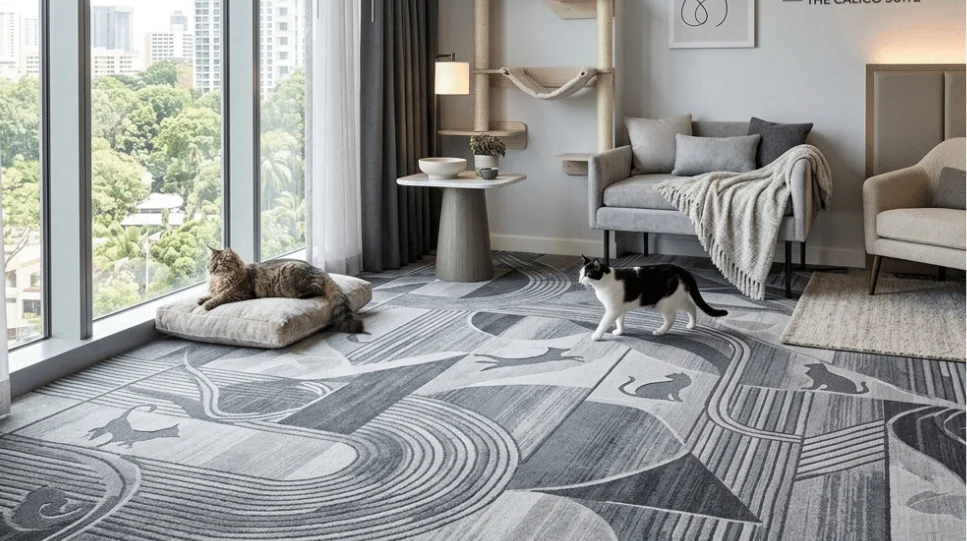
Grey carpet can be a practical choice for UK homes because it works with many color schemes. The right shade depends on room size, daylight, foot traffic, and your existing furniture. Before buying, compare samples at home and price the whole job, including underlay and fitting.
Choose a mid-grey twist pile for busy living rooms, halls, or stairs. Pick lighter, softer flooring for low-traffic bedrooms, and use darker shades where natural light is strong. Always test two or three samples beside your walls and furniture before ordering, because undertones shift under different lighting.
At-a-glance buying guide
| Decision | Good starting point | Why it helps |
|---|---|---|
| Busy living room | Mid-grey twist or dense low pile | Balances comfort with everyday wear |
| Bedroom | Light or warm grey with a softer pile | Gives a softer look and feel |
| Hall or stairs | Mid-tone, dense twist or low pile | Helps disguise tracking and frequent wear |
| Pets | Tighter pile with suitable stain resistance | Reduces snagging and simplifies cleaning |
| Dark room | Light to mid-grey | Keeps the floor from feeling visually heavy |
| Bright room | Mid to dark grey | Allows stronger contrast without losing much light |
| Warm scheme | Greige, stone, or taupe-grey | Works with cream, oak, and warmer textiles |
| Cool scheme | Silver, steel, or blue-grey | Suits white, black, blue, and cooler finishes |
For a neutral that feels easy to live with, start in the middle of the shade range. Move lighter when the room lacks daylight, or darker when you want stronger contrast. This order reduces the chance of choosing by color alone.
Key takeaways
| Priority | What to do |
|---|---|
| Room use | Start with traffic, then choose shade and texture. |
| Color | Test samples in daylight and evening light |
| Budget | Include underlay, fitting, grippers, thresholds, and disposal. |
| Styling | Match warm or cool undertones with fixed room colors. |
How to choose grey carpet for your room
Start with how the room is used, then choose appearance. High-traffic spaces need a tighter construction that hides everyday marks and resists visible crushing. Bedrooms can support deeper, softer piles because they usually receive less wear.
Think about pets and children before choosing texture. Looped styles can snag on pet claws, while stain resistance varies by fiber and treatment. A smooth twist is often easier to manage in a busy family zone.
Light, mid or dark grey?
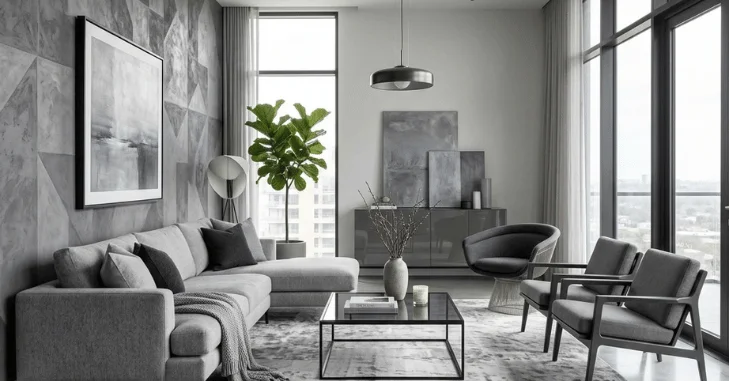
Light grey can help a darker bedroom or compact room feel less visually heavy. It also shows mud, spills, and dark fibers more clearly than a mid-tone. Use it where shoes usually come off and maintenance is manageable.
Mid-grey is a sensible starting point for many shared spaces. It sits between bright silver and deep charcoal, so changing daylight affects it less dramatically. It also hides everyday tracking better than the palest shades.
Dark charcoal and graphite create stronger contrast. They work best where the room has good daylight or pale walls and furniture. Dark surfaces can show pale fluff and pet hair more clearly.
Warm and cool undertones matter.
A grey sample may lean blue, brown, beige, or even slightly green. That undertone becomes more obvious beside paint, wood, curtains, and a sofa. Warm greys usually suit cream, oak, rattan, and earthy textiles.
Do not judge the color from a phone screen alone. Put samples against the largest fixed surfaces and check them at different times. A shade can look neutral in daylight and cooler under evening bulbs.
Which pile and fiber make sense?
Twist pile is a practical starting point for lounges, halls, and stairs. Its textured surface tends to disguise tracking better than a deep plush finish. Dense low piles also cope well with repeated foot traffic.
Saxony feels deeper and softer underfoot. It suits bedrooms and calmer lounges where comfort matters more than heavy wear. Long fibers can show footprints and flatten sooner in busy routes.
Loop piles can be durable and neat, especially in hallways. It is less suitable for some homes with clawed pets because loops can snag. Check the product’s household suitability before choosing it for stairs.
Fiber changes price, feel, cleaning, and durability. Polypropylene is usually budget-friendly and stain-resistant, but it can flatten and hold oily marks. Nylon is durable, while wool offers warmth and sound insulation with different care needs.
What does grey flooring cost in the UK?
Current retail examples show a wide price spread. Entry offers can start near £5 to £12 per square meter. Mid-range choices commonly sit around £20 to £50 per square meter at major retailers.
| Cost item | Useful UK planning figure |
|---|---|
| Entry flooring offers | About £5 to £20 per m² |
| Mid-range retailer examples | About £20 to £50 per m² |
| Premium ranges | £50+ per m² |
| Underlay | Roughly £3 to more than £11 per m² |
| Fitting and extras | Ask for an itemized local quote. |
The roll price is only part of the budget. Underlay, fitting, grippers, door bars, waste, and old-floor removal may sit outside the headline price. Ask each retailer or fitter to state what the quote includes.
Match the floor with walls and furniture.
White and off-white walls create a clean contrast with most greys. Cream, beige, blush, sage, and muted blue can soften or enrich the scheme. Dark navy or green can also work when the room has enough light.
For compact spaces, keep the floor connected to furniture scale and available light. Wrytra’s small living room ideas with a TV can help you plan those proportions. Its Drying Rack guide explains how warm grey and taupe undertones react beside other materials.
Furniture can change how the floor reads after installation. Warm wood often softens a cool scheme, while black metal sharpens it. Wrytra’s furniture paint guide can help if you are updating cabinets, tables, or other pieces.
Best starting points by room
| Room | Shade direction | Construction to consider | Main priority |
|---|---|---|---|
| Living room | Mid-grey or warm greige | Twist, dense nylon, or suitable wool | Balance comfort and wear. |
| Bedroom | Light to mid warm grey | Saxony, wool, or softer synthetic | Comfort underfoot |
| Hallway | Mid-grey | Dense twist or low pile | Repeated traffic |
| Stairs | Mid-grey | Dense low pile with suitable underlay | Grip, wear, and secure fitting |
| Family room | Mid-grey | Stain-resistant, tightly constructed option | Easier maintenance |
A living room needs a balance between softness and repeated use. A mid-tone is forgiving, while a denser construction handles regular footfall better. Bedrooms allow more freedom because they receive less traffic.
Halls and stairs deserve the most practical specification. Dense low piles reduce visible crushing and are easier to keep stable. Underlay also affects comfort, sound, and longevity.
How to buy online with fewer surprises
Online photos are useful for narrowing the field, not for making the final color decision. Order or collect several samples and live with them for at least a day. Place them by the window, beside the sofa, and under evening lighting.
- Shortlist three nearby shades rather than one favorite.
- View each sample in daylight and under your normal lamps.
- Measure the room at its widest and longest points, including alcoves.
- Compare the full project price, not only the price per square meter.
- Confirm roll width, seam positions, delivery access, and fitting responsibilities.
Which? recommends measuring maximum room dimensions, including alcoves and doorways, before ordering. It also advises checking what a retailer or fitter’s charges include. Those checks help avoid quantity and quote surprises.
Underfloor heating needs another check before ordering. The combined thermal resistance of the flooring and underlay must suit the heating system. Ask the supplier for the relevant tog information and system limit.
Before you buy grey carpet, shortlist three shades and compare them in the actual room. Then measure twice and get an itemized quote that covers the full installation. This process catches color, quantity, and budget mistakes before money is committed.
Frequently asked questions
Is grey carpet still a good choice for UK homes?
Yes, when the shade and construction fit the room. Grey can support warm, cool, modern, or traditional schemes. Its practicality depends on tone, fiber, pile, and household use.
What wall colors work with grey flooring?
White, off-white, cream, sage, blush, navy, and muted blue can all work. Warm greys usually pair better with cream, oak, and earthy colors. Cool greys often suit crisp white, blue, and black details.
Is light or dark grey better for a small room?
A light or mid-tone is usually the easier starting point. It keeps the floor from becoming the darkest visual block in the room. A deep charcoal can still work with strong daylight and pale walls.
What pile is best for stairs?
A dense, low pile is the practical choice for most staircases. Twist and other tightly constructed styles handle repeated foot traffic better than deep plush piles. Secure fitting and suitable underlay also matter.
How much should I budget beyond the floor price?
Allow for underlay, fitting, grippers, thresholds, waste, and possible disposal charges. Some quotes bundle these items, while others separate them. Ask for the same cost breakdown from each supplier.
Plan the whole room before ordering.
The strongest choice is the one that fits your light, traffic, furniture, and maintenance habits. Samples and an itemized quote give you more useful information than a product photo. Wrytra’s Home Improvement section has more room-planning and decorating guides for related decisions.