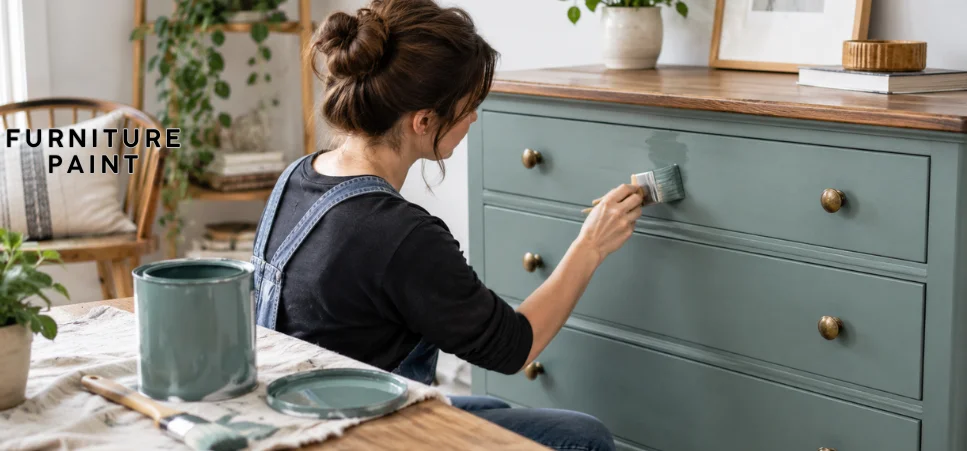
Painting an old chest of drawers, cabinet, or table can change the feel of a room without replacing useful furniture. The right furniture paint depends on the surface, the finish you want, and how much daily wear the piece receives. A decorative side table needs different protection from a kitchen cabinet, a dining chair, or a garden bench.
UK shoppers can choose from chalk-style coatings, eggshell and satin products, self-sealing formulas, and paints designed for exterior use. Each type has strengths, so the smartest choice starts with the job rather than the color chart. Good preparation matters too, even when the label promises minimal sanding or priming.
Choosing the Right Type at a Glance
| Furniture Paint type | Best suited to | Typical finish | Main advantages | Main drawbacks |
|---|---|---|---|---|
| Chalk-style paint | Dressers, bedside tables, decorative pieces | Flat or chalky matt | Easy application, strong decorative character, often needs little preparation | Many products need wax or lacquer for protection. |
| Satin or eggshell wood paint | Tables, chairs, cabinets, wardrobes | Low to medium sheen | Easier to wipe clean and well suited to frequently handled pieces | Preparation and primer requirements vary. |
| Self-sealing or all-in-one paint | Cabinets, storage units, busy household pieces | Matt, satin, or low sheen | Can reduce the number of separate products required | Proper cleaning and curing still matter. |
| Exterior-rated coating | Garden tables, benches, and outdoor storage | Brand-dependent | Designed for changing outdoor conditions | Indoor-only products must not be substituted. |
| Specialist adhesion system | Laminate, melamine, or difficult glossy surfaces | Brand-dependent | Better grip on challenging substrates | May require sanding and a dedicated primer |
Quick answer: For decorative indoor pieces, chalk-style coatings are attractive and forgiving. For tables, chairs, and cabinets that receive regular handling, a harder satin, eggshell, or self-sealing system is often the safer choice. Match the product to the surface, follow its preparation instructions, and allow enough curing time before heavy use.
How to Choose Furniture Paint for the Job
Start by deciding what the piece has to withstand after the makeover. A bedroom cabinet may only need to resist occasional wiping, while a dining table faces cups, plates, cleaning, and repeated contact. The more demanding the use, the more attention you should give to adhesion, cleanability, and the final protective layer.
Finish also affects how a piece looks in the room. Flat matt coatings soften visual imperfections and suit rustic or vintage designs, while satin and eggshell finishes create a cleaner appearance with a little light reflection. Gloss can work for bold statement pieces, but it tends to make dents, brush marks, and uneven preparation more visible.
Chalk-style coatings
Chalk-style products remain popular because they can create a soft matt result with limited preparation on suitable surfaces. Rust-Oleum says its UK Chalky Finish range can be used on wood and melamine, while rigid metal or plastic surfaces need suitable priming, and the finish should be protected with wax or lacquer. Its product guidance also identifies the range as interior-only.
Annie Sloan also states that its Chalk Paint normally requires little sanding or priming on many surfaces. The company recommends wax for added protection and durability on indoor pieces. Its published coverage is about 13.9 square meters per liter, though actual coverage depends on the surface and application method.
Satin and eggshell finishes
Satin and eggshell products are sensible choices where you want a smoother, more conventional painted finish. They tend to suit cupboards, tables, wardrobes and chairs where cleaning is more frequent. Dulux advises lightly sanding wooden furniture to help adhesion and using a suitable primer where the chosen paint system requires one.
The main benefit is practical rather than decorative. A low or medium sheen is often easier to live with on busy furniture than a soft, chalky surface. Check the tin for the correct substrate, required primer, recoat time, and cleaning guidance before starting.
Self-sealing paints
An all-in-one product can reduce the need for a separate protective coat, but it does not remove the need for preparation. Frenchic, for example, tells users of its Al Fresco range to clean, dry, and abrade suitable surfaces before application, while any loose paint and rust must be removed first. The company also requires at least two coats for a durable result.
This type is useful if you value a simpler product system and intend to follow the manufacturer’s complete process. It can be especially convenient on cabinets, storage pieces, and painted woodwork. Treat claims such as “self-sealing” as product-specific instructions rather than permission to skip cleaning or curing.
Match the Coating to the Surface
Solid wood is usually the most forgiving starting point, particularly when the existing finish is sound. Clean away grease, polish, and dirt, then repair loose or damaged areas before painting. A light sand often creates a better key on glossy finishes, although some specialist coatings are designed to work with less preparation.
Laminate and melamine require more care because their surfaces are less absorbent than timber. A coating may be marketed as suitable for laminate, but that does not mean every glossy panel can be painted without preparation. Where the manufacturer specifies abrasion or an adhesion primer, those steps help reduce the risk of peeling later.
MDF also deserves its own approach, especially if edges or bare areas are exposed. Porous sections can absorb paint differently, creating an uneven finish. Frenchic advises treating porous materials, such as bare MDF, before applying its Al Fresco system, underscoring the importance of substrate-specific instructions.
Preparation Is What Makes the Finish Last
Cleaning is the first useful step on almost every repainting project. Hand oils, furniture polish, kitchen grease, and cleaning residues can interfere with adhesion, even when the surface looks clean. Rust-Oleum advises removing wax or oil before using its chalky coating, while Frenchic similarly calls for a clean, dry surface free from grease and penetrating substances.
Sanding should be based on the coating and substrate rather than a blanket rule. Dulux recommends a light sand when repainting wood, while Annie Sloan states that its Chalk Paint rarely requires sanding or priming on suitable surfaces. Reading the specific technical guidance for your chosen tin is safer than assuming every decorative coating behaves in the same way.
A Simple Process for Painting Furniture
A tidy process helps prevent missed edges, drips, and damaged fresh paint. Keep the piece in a clean, well-ventilated area, and give yourself enough time between coats. Rushing reassembly is one of the easiest ways to mark an otherwise neat finish.
- Remove handles and fittings. Take off knobs, hinges, or removable shelves where practical.
- Clean the surface. Remove dirt, grease, polish, and any residue that could affect adhesion.
- Repair damage. Fill dents or chips and remove loose or flaking old coatings.
- Sand or prime where required. Follow the instructions for the substrate and product you selected.
- Stir the coating thoroughly. Mix settled pigment before you begin applying it.
- Apply thin, controlled coats. Use the recommended brush or roller and avoid repeatedly working partly dried areas.
- Respect the recoat time. A surface that feels dry may still need more time before another coat.
- Allow the finish to cure. Keep heavy objects, harsh cleaners, and frequent handling away until the coating has hardened properly.
- Refit hardware carefully. Tighten handles without digging them into a finish that is still curing.
Wax, Lacquer, or No Separate Topcoat?
Traditional chalk-style coatings often need a separate finish because the decorative layer alone may be too soft for routine cleaning. Rust-Oleum recommends its wax or lacquer over Chalky Finish paint, while Annie Sloan recommends Clear Chalk Paint Wax to seal and protect painted indoor surfaces. Annie Sloan also specifies lacquer rather than wax for outdoor applications.
Choose wax when you want a softer decorative appearance and are comfortable with the maintenance required by that system. A compatible lacquer may be preferable where you want stronger resistance on a frequently handled surface. If the coating is designed to be self-sealing, adding an unrelated topcoat can cause compatibility problems, so follow the product maker’s instructions.
Drying Time Is Not the Same as Curing Time
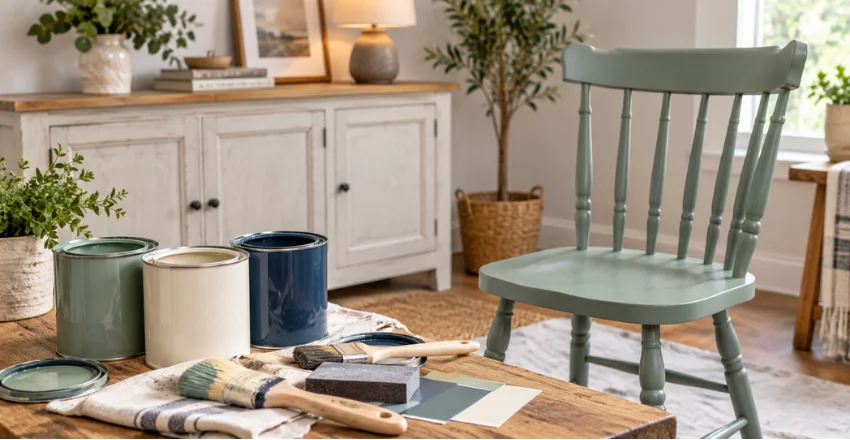
A coating can feel dry long before it reaches its working hardness. Frenchic states that its Al Fresco range can be recoated after a minimum of two hours in normal conditions, yet full curing can take two to three weeks. Newly finished surfaces should therefore be treated gently even when they no longer feel tacky.
This distinction matters on drawers, shelves, chair seats, and tabletops. Putting heavy objects back too early can leave impressions, while aggressive cleaning may damage a young coating. Plan the project around curing and painting time if the piece needs to return to daily use quickly.
Think About Color in the Room, Not Only on the Tin
Paint color varies with daylight, artificial lighting, flooring, and nearby fabrics. Test a sample where possible, then view it at different times of day before committing to a large item. For a broader look at warm neutral combinations, Wrytra’s Skimming Stone and Farrow & Ball alternatives guide can help you think about undertones and surrounding materials.
The furniture itself should also fit the room’s proportions and purpose after painting. A dark, visually heavy cabinet may dominate a compact space even if the finish is attractive on its own. If you are updating a lounge, Wrytra’s small living room ideas with a TV offer useful context on furniture scale, storage, and color choices.
Upcycling can also make practical storage feel more intentional. A painted chest, shelf, or storage bench can become part of the room’s color scheme rather than something you try to hide. Wrytra’s toy storage ideas for the home include examples of furniture-based storage that can help when planning a family space.
Our Recommendation: Choose for Wear First, Style Second
For a low-contact decorative piece, a chalk-style coating is a strong option if you like a flat, characterful finish and are prepared to seal it where required. For chairs, tables, cupboards, and other frequently handled items, start by looking for a system designed for greater wear, cleaning, and adhesion. That may mean satin, eggshell, an appropriate cabinet coating, or a self-sealing product.
For outdoor furniture, use a coating that the manufacturer specifically approves for exterior use. Indoor decorative paint should not be treated as weatherproof, even if it looks similar in the tin. UK rain, damp conditions, and temperature changes make the product’s exterior rating more important than the finish name.
Plan the Makeover Around How the Piece Will Be Used
A successful furniture makeover starts before you open the tin. Identify the substrate, determine how much wear the piece experiences, and choose a coating system that meets both needs. Then clean carefully, follow the stated preparation steps, and allow the finish to harden before returning it to full use.
Color and sheen can transform the style, but durability comes from the complete system rather than color alone. Use product-specific preparation, compatible primers or sealers, and realistic curing times to protect the work you have put in. With those decisions made first, an old cabinet, table, or storage unit can become a useful part of your home again.
Frequently Asked Questions
What is the best furniture paint for wooden furniture?
There is no single product type that is right for every wooden piece. Chalk-style coatings suit decorative makeovers, while satin, eggshell, and harder systems often make more sense for furniture that is frequently handled or cleaned. The best choice is the one approved for your substrate and expected level of wear.
Do I need to sand furniture before painting?
Not always, because different products have different preparation requirements. Dulux recommends lightly sanding wooden furniture to improve adhesion, while Annie Sloan says its Chalk Paint typically requires little or no sanding on suitable surfaces. Follow the technical instructions for the specific coating and existing finish, rather than relying on a single rule.
Does chalk paint need a sealer?
Many traditional chalk-style products do require protection after painting. Rust-Oleum specifies wax or lacquer for its Chalky Finish range, and Annie Sloan recommends wax to protect its decorative coating indoors. A self-sealing formula may work differently, so check the instructions before adding another product.
Can I paint laminate or melamine furniture?
Yes, provided the coating system is suitable for that surface and you follow its preparation requirements. Rust-Oleum lists melamine among the suitable surfaces for its Chalky Finish product, while other glossy laminates may benefit from abrasion or a specialist adhesion primer. Test a hidden area first if you are uncertain about an existing coating or surface.
How long should painted furniture cure before normal use?
The answer depends on the product, temperature, humidity, and coat thickness. Some paints can accept another coat within a few hours but may take days or weeks to reach their final hardness. Frenchic states that its Al Fresco range can take two to three weeks to cure under normal conditions.