Coca-Cola Zero is a sugar-free cola that offers the classic taste in flavors such as Classic, Cherry, and Vanilla. Each version keeps the familiar aroma while providing a crisp, refreshing texture. For those wondering how much caffeine in Coca-Cola Zero, a 330ml can contains about 34mg, a 500ml bottle around 51mg, and a 1-liter bottle roughly 102mg. The drink is made from carbonated water, caramel color, phosphoric acid, sweeteners, natural flavors, and caffeine.
It is produced with careful blending, precise carbonation, and strict quality control. Packaged in cans, PET bottles, or glass bottles, Coca-Cola Zero costs between £1.20 and £3.00 per serving. Knowing how much caffeine in Coca-Cola Zero helps consumers enjoy it safely and responsibly.
| Basics | Details |
| Types | Classic, Cherry, Vanilla options |
| Energy | Moderate boost from the beverage |
| Ingredients | Carbonated water, caramel, phosphoric acid |
| Flavor | Balanced sweetness with mild acidity |
| Production | Water purified, syrup carefully blended |
| Components | Carbonation, stimulants, and sweeteners managed |
| Packaging | Aluminum, PET, and glass containers |
| Cost | Retail prices range £1.20–£3.00 |
| Materials | Sweeteners, flavors, packaging, energy |
| Serving | 250ml, 330ml, 500ml, 1-liter |
| Taste | Crisp, fizzy, sugar-free cola sensation |
| Nutritional | Low calorie, zero sugar, no fat |
| Quality | Strict checks ensure consistent taste. |
| Shelf | Stored cool, 9–12 months shelf life |
| Sizes | Multipacks, individual cans, large bottles |
| Buying | Pricing guides consumer purchase choices. |
Types of Coca-Cola Zero
Coca-Cola Zero comes in various flavors, including Classic, Cherry, Vanilla, and limited seasonal editions. Each variant retains the signature cola taste but differs subtly in aroma and sweetness. The drink is designed to mimic the traditional Coca-Cola flavor while eliminating sugar. The carbonation level is carefully balanced to provide a crisp, refreshing texture that appeals to both regular Coke drinkers and diet-conscious consumers.
How Much Caffeine in Coca-Cola Zero? Caffeine Content
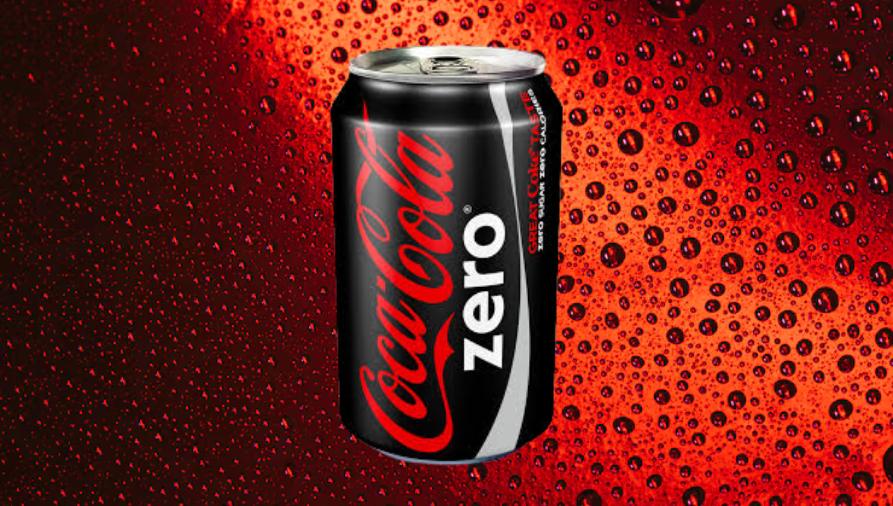
For those asking how much caffeine in Coca-Cola Zero, a standard 330ml can contains approximately 34 milligrams of caffeine. Larger bottles, such as 500ml, contain around 51 milligrams, while 1-liter bottles have roughly 102 milligrams. This moderate amount gives a mild energy boost without being overwhelming. Tracking caffeine intake is essential for individuals sensitive to stimulants or managing daily consumption.
Key Ingredients
Coca-Cola Zero is made from carbonated water, caramel color, phosphoric acid, sweeteners like aspartame and acesulfame potassium, natural flavorings, and caffeine. The combination of these ingredients delivers a classic cola taste without added sugar. Each component is carefully measured to maintain consistency in flavor, texture, and appearance, making the beverage familiar and enjoyable for both new and long-time consumers.
Flavor Profile
Understanding how much caffeine in Coca-Cola Zero also relates to taste perception. The sweetness from artificial sweeteners balances the slight acidity from phosphoric acid. Carbonation adds a sharp, fizzy mouthfeel, while the blend of natural flavors gives it a deep cola aroma. This combination creates a full-bodied flavor that closely mimics regular Coca-Cola, making it a satisfying sugar-free alternative.
Production Process
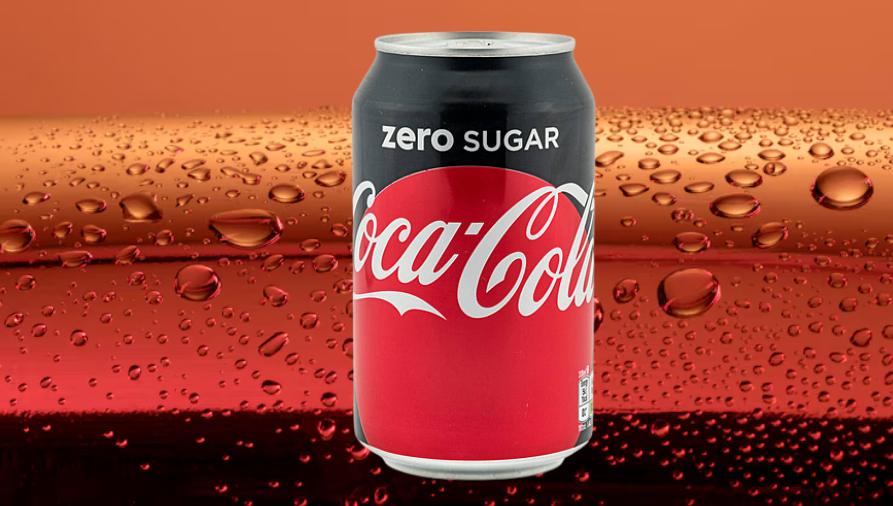
- Coca-Cola Zero is produced using a series of carefully controlled steps.
- Water is purified and carbonated before being mixed with concentrated syrup containing sweeteners, flavorings, and caffeine.
- The mixture is blended to achieve a uniform taste, then pasteurized and filled into cans or bottles.
- Strict quality control ensures every unit meets flavor, color, and carbonation standards before distribution to retailers.
Components and Mixtures
In the formula, carbonation, phosphoric acid, caffeine, and sweeteners are the primary components creating Coca-Cola Zero’s signature taste. Knowing how much caffeine in Coca-Cola Zero helps balance these ingredients during production. The syrup-to-water ratio, carbonation pressure, and sweetener concentration are precisely controlled, resulting in consistent taste across different batches and bottle sizes.
Packaging Materials
Coca-Cola Zero is commonly packaged in aluminum cans, PET bottles, and glass bottles. Each material is selected for durability, shelf life, and environmental considerations. Aluminum cans are recyclable and lightweight, PET bottles offer convenience for large servings, and glass bottles preserve flavor integrity. Proper packaging ensures product safety and maintains carbonation over extended periods of storage and transport.
Cost and Pricing
- The retail cost of Coca-Cola Zero in the UK typically ranges from £1.20 for a 330ml can to £2.50–£3.00 for a 500ml bottle.
- Multipacks, such as six- or twelve-can packs, often offer a better price per unit.
- Understanding how much caffeine in Coca-Cola Zero can influence purchasing decisions, especially for consumers seeking energy benefits without spending on higher-caffeine or sugar-laden alternatives.
Material Needs for Production
The production of Coca-Cola Zero requires water, sugar-free sweeteners, caramel coloring, phosphoric acid, caffeine, natural flavorings, and packaging materials. Industrial-scale production also involves energy for carbonation, blending, pasteurization, and bottling. Each ingredient is precisely measured to maintain flavor consistency, while quality control ensures that caffeine content and taste are uniform across all units before they reach the consumer market.
Serving Size Variations
Coca-Cola Zero is available in multiple serving sizes: 250ml cans, 330ml cans, 500ml bottles, 1-liter bottles, and multipacks. Knowing how much caffeine is in Coca-Cola Zero per serving helps individuals regulate their daily intake. Larger servings naturally contain more caffeine and calories from carbonation additives, although sugar content remains zero. Serving size selection allows consumers to enjoy the drink responsibly, based on their personal caffeine tolerance.
Nutritional Components
Coca-Cola Zero contains negligible calories, zero sugar, and no fat, making it a diet-friendly beverage. It contains sodium, caffeine, and artificial sweeteners, which contribute to its flavor and mild stimulant effects. Understanding how much caffeine in Coca-Cola Zero is part of managing daily dietary intake, especially for people avoiding sugar while seeking a cola flavor similar to traditional Coke.
Storage and Shelf Life
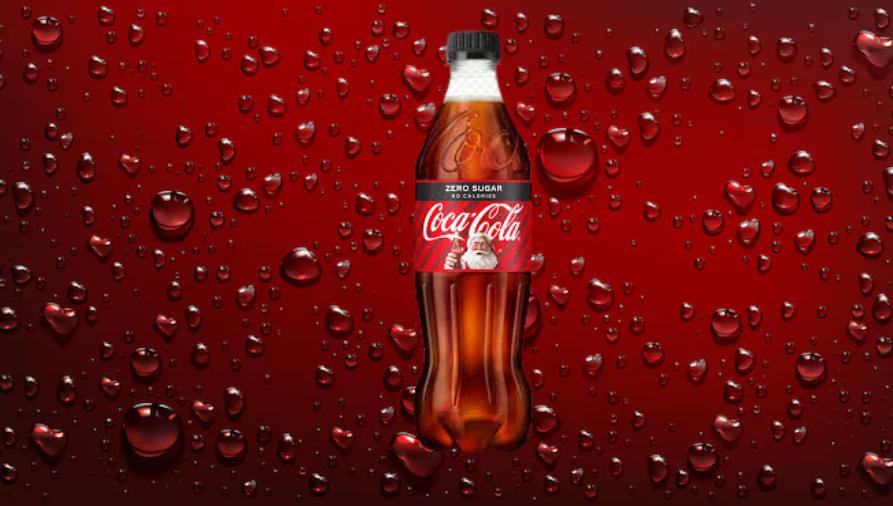
Coca-Cola Zero must be stored in a cool, dry environment away from direct sunlight. Carbonation decreases over time if bottles or cans are exposed to heat. The shelf life is usually 9–12 months for cans and bottles. Knowing the caffeine content of Coca-Cola Zero helps ensure safe consumption and monitor intake over time, especially when multiple servings are stored for future use.
Conclusion
Coca-Cola Zero is a sugar-free cola available in 330ml, 500ml, and 1-liter bottles, offering 34mg, 51mg, and 102mg of caffeine, respectively. Knowing how much caffeine in Coca-Cola Zero helps consumers manage intake safely while enjoying its crisp, fizzy taste.
Made from carbonated water, caramel color, phosphoric acid, sweeteners, natural flavors, and caffeine, it undergoes precise blending, carbonation, and quality control. Packaged in cans, PET, or glass, it costs between £1.20 and £3.00 per serving. With consistent flavor, moderate caffeine, and diet-friendly properties, Coca-Cola Zero remains a convenient, energizing, and reliable choice.
Want to know about Rowing Machine Workout: Complete Guide to Full-Body Fat Loss, Strength Building, Endurance, Muscle Toning, and Cardiovascular Fitness Details Check out our Fitness category.
FAQs
This sugar-free cola comes in Classic, Cherry, Vanilla, and seasonal editions, each offering a slightly different aroma and taste while maintaining the signature fizzy, refreshing experience.
A standard 330ml can provides a moderate amount of caffeine, enough to boost alertness without causing overstimulation, making it suitable for most adults seeking a light energy lift.
The drink contains carbonated water, caramel coloring, phosphoric acid, artificial sweeteners, natural flavorings, and a small amount of caffeine, all blended to maintain consistent taste and quality.
It is available in aluminum cans, PET bottles, and glass containers, all designed to preserve carbonation, flavor, and shelf life while offering convenient options for different serving sizes.
Serving sizes range from 250ml cans to 1-liter bottles, with multipacks available. Consumers can choose based on personal preference, daily consumption needs, or sharing with others.