

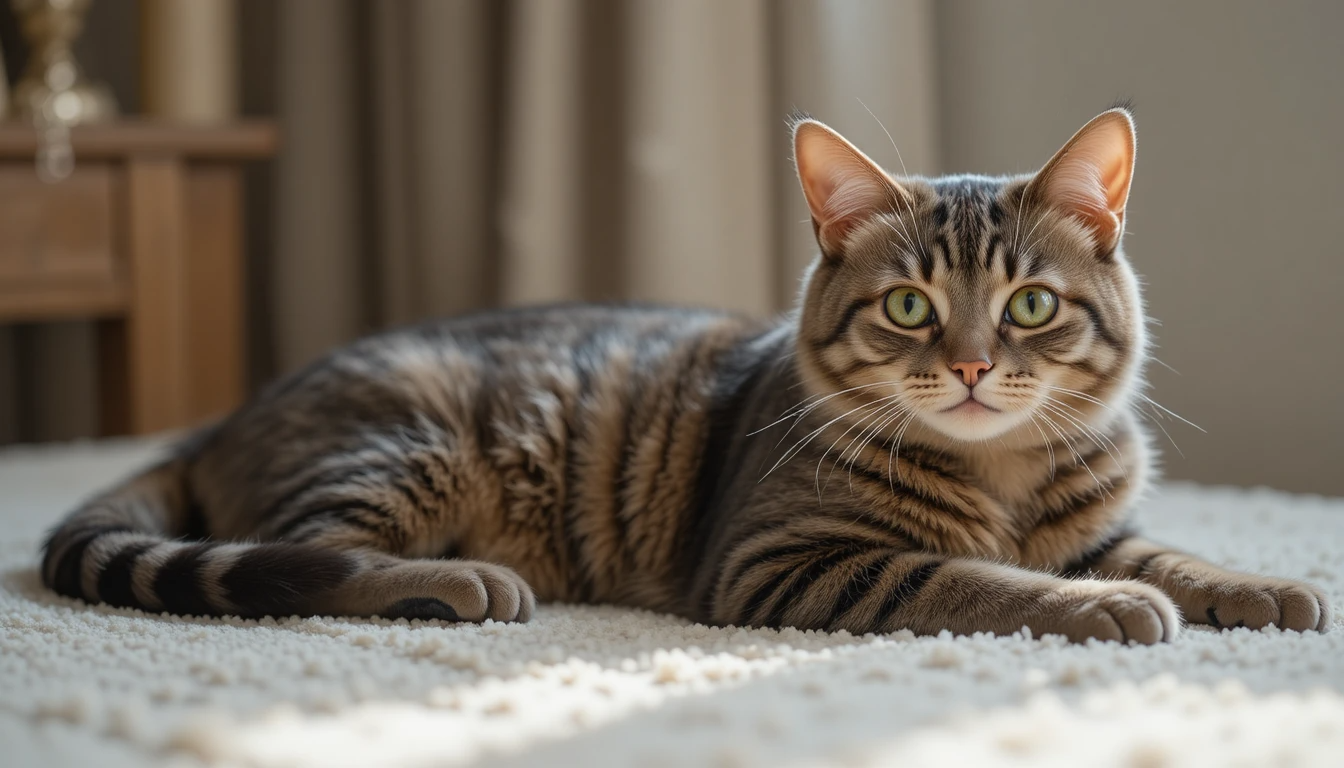
Many cat owners wonder is declawing cats bad, especially when considering household safety and furniture protection. Declawing is a surgical procedure that removes the last bone of each toe using manufactured tools such as scalpels, lasers, and sutures. The surgery causes pain, alters walking posture, and increases joint stress, often leading to arthritis over time.
Nutritional support with high-protein diets, omega-3 fatty acids, glucosamine, and vitamins B, D, and E is important for recovery. Behavioral effects include anxiety, hiding, and biting. Costs range from £300 to £600 initially, with ongoing expenses such as supplements, medication, and vet visits adding £150–£300 per year. Evaluating alternatives and understanding all consequences helps answer is declawing cats bad clearly.
| Basics | Details |
| Surgical Process | Involves bone removal surgery |
| Medical Tools | Uses scalpels, lasers, and sutures |
| Pain Impact | Causes lasting paw discomfort |
| Recovery Time | Requires extended healing care |
| Mobility Changes | Alters walking posture permanently. |
| Joint Stress | Increases arthritis risk over time |
| Behavioral Effects | Leads to anxiety-biting withdrawal |
| Defense Loss | Removes the natural protection ability |
| Nutritional Support | Needs omega-3 vitamins and joint supplements |
| Vitamin Needs | Includes B, D, and E vitamins |
| Medication Use | Relies on pain-inflammation drugs |
| Initial Cost | Surgery costs £300 to £600 |
| Ongoing Costs | Adds supplements, vet visits yearly |
| Ethical Concerns | Raises serious animal welfare issues |
| Alternative Products | Scratching posts protect furniture. |
| Long Term Care | Requires lifestyle management support |
Veterinary Surgery Process and Medical Components
Declawing involves a veterinary surgical process using manufactured medical instruments and controlled anesthesia. Components include sterile scalpels or laser devices, sutures, bandaging materials, antibiotics, and pain relief injections. The procedure removes the last bone segment of each toe, permanently altering the paw’s structure. Recovery requires clean housing, temperature control, and carefully measured medications.
Pain, Medication, and Financial Cost
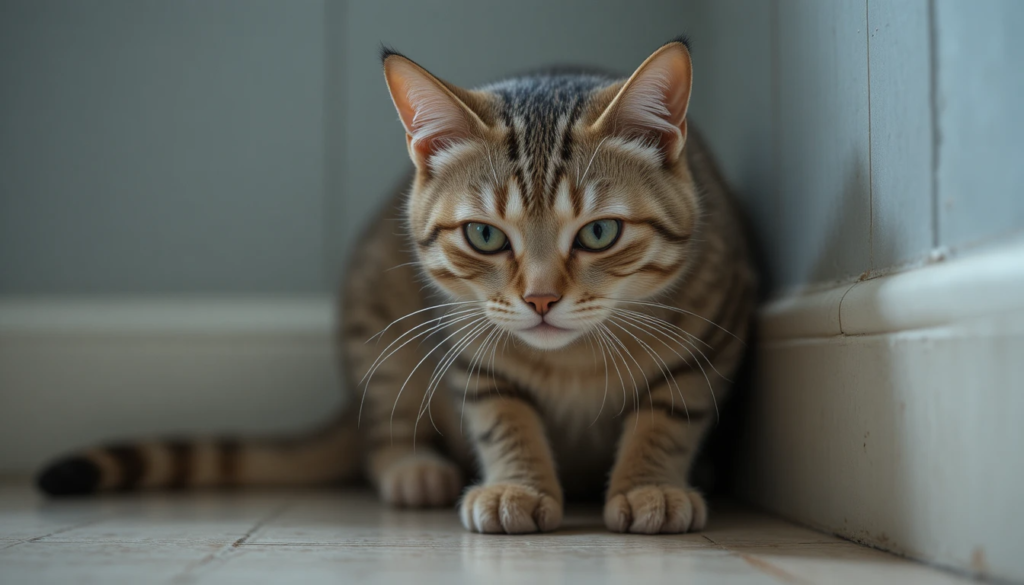
Many owners ask is declawing cats bad when considering household damage prevention and safety. The surgery causes nerve injury, tissue trauma, and lasting paw sensitivity. Pain management uses manufactured drugs like opioids and anti-inflammatory injections, yet discomfort may persist. Average procedure costs range from £300 to £600, including anesthesia, surgical tools, medications, and follow-up veterinary visits.
Is Declawing Cats Bad? Physical Effects and Nutritional Support
- Physical changes after declawing affect posture, balance, and joint alignment.
- Weight shifts backward, increasing stress on wrists and elbows.
- Over time, this may contribute to the development of arthritis.
- Nutritional support often includes high-protein diets, omega-3 fatty acids, glucosamine, chondroitin, and vitamins D and E. These nutrients support joint lubrication, bone density,
Behavioral Impact and Support Products
Behavioral concerns explain why people question is declawing cats bad for daily living. Without claws, cats lose natural defense and confidence. Many display biting, hiding, or litter box avoidance. Behavioral management products include pheromone diffusers, enrichment feeders, and calming supplements containing magnesium, B vitamins, and tryptophan. These manufactured aids add monthly costs averaging £20-£40 for ongoing support.
Claimed Benefits and Manufactured Alternatives
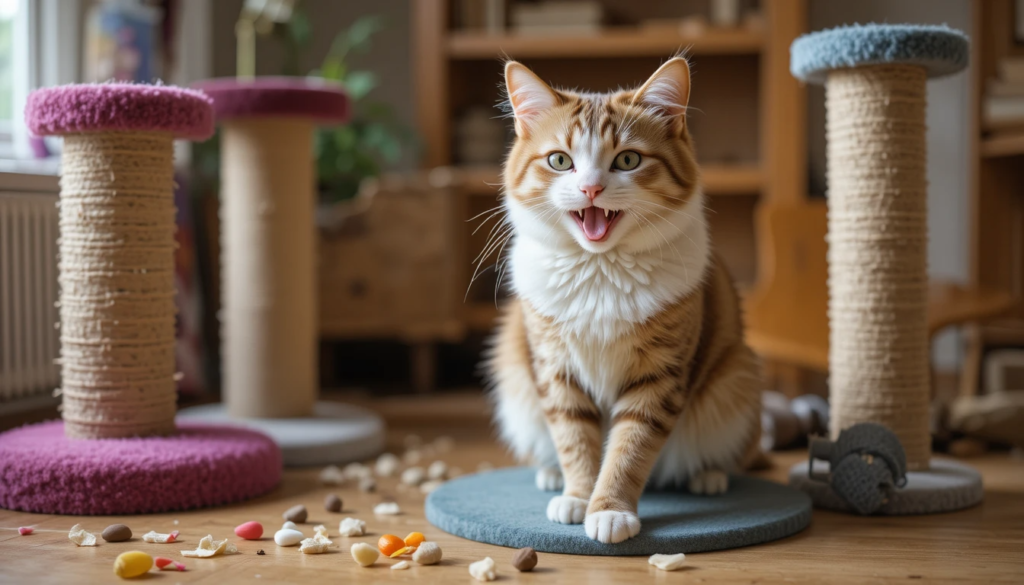
Some perceived benefits focus on reduced furniture damage and fewer scratch-related injuries. This appeals to landlords and households with young children. However, alternative scratching products are widely manufactured from sisal fiber, corrugated cardboard, or wood. These products cost between £10 and £50, require minimal maintenance, and support muscle stretching, nail shedding,
Ethical Considerations and Ongoing Expenses
Ethical discussions around is declawing cats bad often include welfare standards and long-term care responsibilities. Many owners underestimate future expenses. Complications may require antibiotics, nerve pain medication, special litter, and omega-3 fatty acid and vitamin B complex supplements. These add £150-£300 annually. Ethical pet care emphasizes prevention, training, and environment design over irreversible procedures.
Recovery Care and Dietary Adjustments
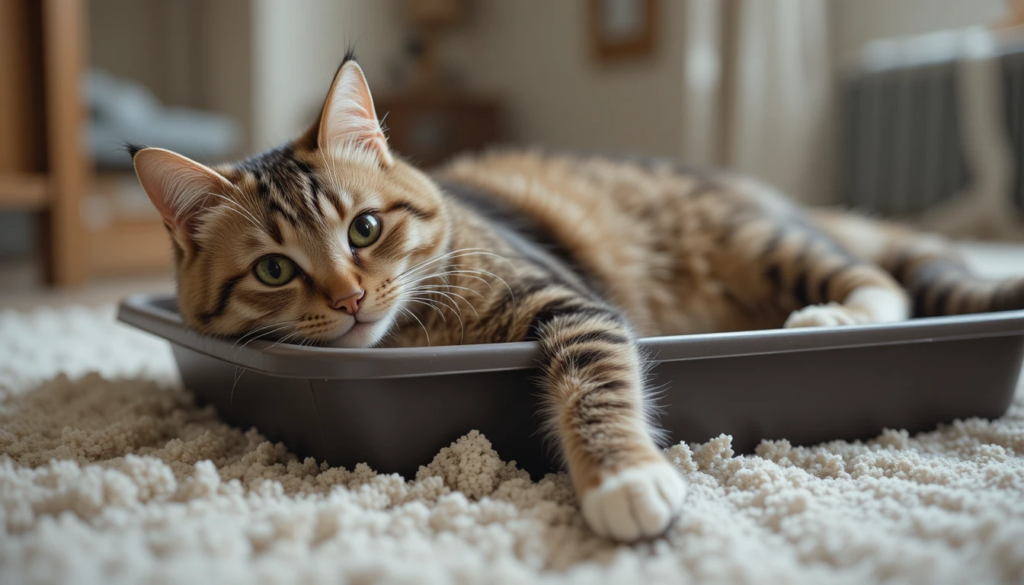
Post-surgery care requires controlled activity and modified housing. Cats often need soft bedding, shallow litter trays, and limited access to climbing. Calorie intake may be adjusted to prevent weight gain during reduced movement. Diets enriched with lean protein, taurine, zinc, and vitamin C help tissue repair, immune response, and muscle maintenance throughout the extended recovery timeline following invasive paw surgery in domestic cats kept indoors.
Ethical Considerations for Pet Owners
Declawing raises serious ethical concerns because it removes a cat’s natural defense and causes lasting pain. Pet owners must weigh animal welfare, long-term health, and behavioral impact. Humane alternatives, training, and enrichment respect the cat’s physical and psychological needs, preventing unnecessary suffering while ensuring safety at home. Ethical care emphasizes prevention over irreversible surgical procedures.
Lifestyle Adjustments for Indoor Cats
Post-surgery, cats need controlled environments with soft bedding, shallow litter trays, and limited climbing to protect healing paws. Restricted activity, enriched play, and supervised exploration help maintain mental stimulation. Adjusted feeding schedules and monitoring mobility prevent weight gain, ensuring recovery and well-being. Proper indoor management minimizes stress and supports both physical healing and behavioral stability after claw removal.
Long-Term Financial Comparison
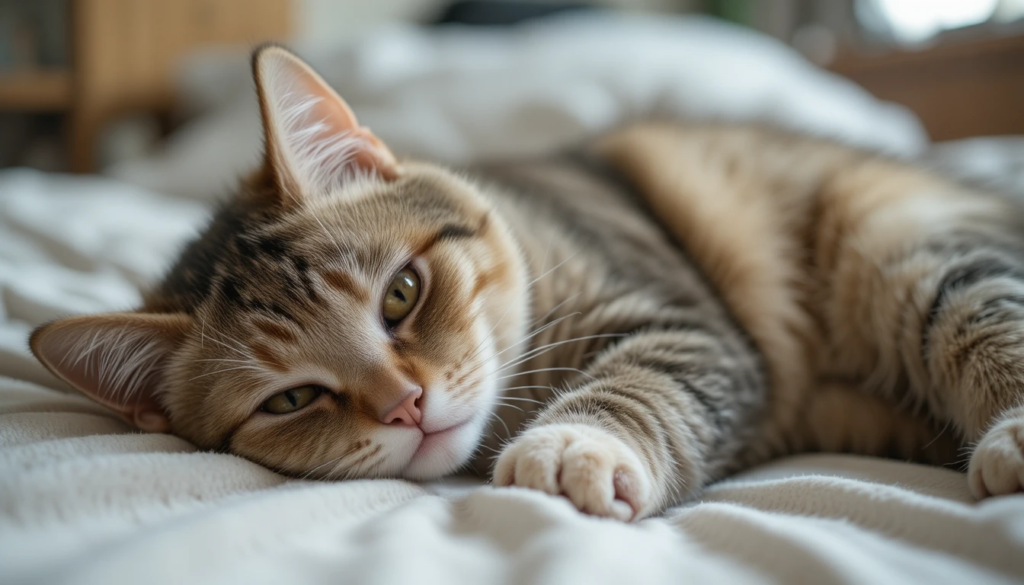
- Financial planning is important when evaluating is declawing cats bad from a practical view.
- Initial surgery fees combine with lifetime care expenses.
- When adding pain medication, supplements, behavioral products, and repeat consultations, total lifetime costs may exceed £2,000. In comparison, training tools and scratching equipment remain low-cost, predictable, and supportive of natural feline health and wellbeing.
Conclusion
In conclusion, declawing has serious medical, behavioral, and financial consequences, making many people question is declawing cats bad. The surgery causes lasting pain, alters mobility, increases joint stress, and can lead to anxiety or aggression.
Recovery requires proper nutrition, medications, and ongoing care, with costs exceeding £2,000 over a cat’s lifetime. Humane alternatives like scratching posts, nail trims, and enrichment products protect furniture and cats’ well-being. Considering all factors, declawing is unnecessary and harmful to a cat’s health and happiness.
If you want to read an interesting article about it, explore our Pets category.
FAQs
It can cause significant discomfort, nerve damage, and tissue trauma. Cats often need pain medications, restricted movement, and special care during the healing period to recover properly.
Cats may become anxious, hide more, or show increased aggression. Losing their claws affects confidence and natural defense, leading to noticeable changes in personality and daily habits.
Owners can use scratching posts, nail trims, or soft nail caps. These solutions protect furniture while allowing cats to scratch naturally, without risking surgery or permanent harm.
Surgery typically costs £300–£600, with additional yearly expenses for medication, supplements, and follow-up visits ranging between £150–£300, making ongoing care costly over a cat’s lifetime.

