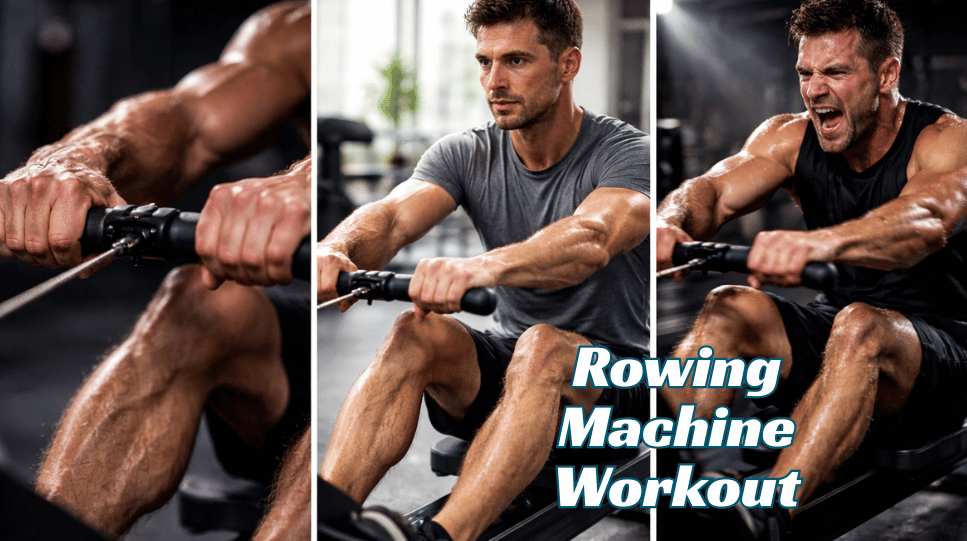
Rowing machine workouts have quickly become one of the most effective and efficient methods for achieving complete full-body fitness, making them a top choice for both beginners and advanced athletes. Unlike many traditional cardio machines, a rowing machine workout engages nearly every major muscle group in a single, powerful movement, helping you burn fat, build strength, improve endurance, and enhance overall conditioning at the same time.
This unique combination of cardio and resistance training not only maximizes results in less time but also keeps workouts dynamic, challenging, and highly engaging, making rowing an excellent addition to any fitness routine. This complete guide will walk you through everything you need to know about rowing machine workouts, including benefits, proper technique, workout plans, and expert tips to maximize your results.
| Section | Key Points |
| Introduction | Rowing machine workouts are full-body, efficient, and suitable for all fitness levels, combining cardio and strength training. |
| What is a rowing machine workout? | A coordinated exercise simulating rowing, using legs, arms, and core for cardio + resistance benefits. |
| Benefits | Full-body engagement, fat loss, improved heart health, strength, endurance, low-impact exercise, better posture, and coordination. |
| Muscles Worked | Legs (quads, hamstrings, glutes), upper body (back, shoulders, biceps), core (abs, obliques, lower back). |
| Proper Technique | Rowing engages more muscles than treadmills, cycling, and ellipticals. |
| Workout Types | Steady-state, HIIT, strength-based, and distance training for different fitness goals. |
| Sample Workouts | Beginner, intermediate, and advanced HIIT routines for progression. |
| Fat Loss | High calorie burn, full-body engagement, best combined with HIIT and a calorie-deficient diet. |
| Strength & Toning | Builds muscle endurance, improves power, and strengthens legs and back. |
| Nutrition Tips | Protein for repair, carbs for energy, fats for hormones, hydration for performance. |
| Comparison | Rowing engages more muscles than treadmills, cycling, and ellipticals. |
| Common Mistakes | Poor form, arm-first pulling, wrong resistance, skipping warm-up/cooldown. |
| Tips for Results | Focus on form, consistency, breathing, tracking progress, and gradual intensity increase. |
| Conclusion | Rowing is a powerful full-body workout for fat loss, strength, endurance, and overall fitness. |
What Is A Rowing Machine Workout?
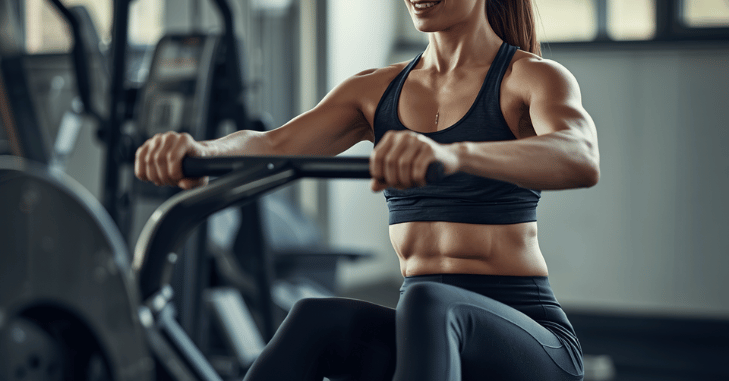
A rowing machine workout is a highly effective form of cardiovascular and strength training exercise that simulates the motion of rowing a boat using a machine. It involves a coordinated full-body movement pattern that combines pushing with the legs, pulling with the arms, and engaging the core throughout each stroke.
This unique combination makes the rowing machine workout one of the few exercises that delivers both cardio and resistance training in a single session. As a result, it is highly efficient for burning calories, building muscle, and improving overall fitness, making it a popular choice for fat loss, endurance, and total body conditioning.
Benefits
- Full-body muscle engagement (legs, glutes, core, back, and arms)
- High calorie burn for effective fat loss
- Improved cardiovascular health
- Increased muscular strength and endurance
- Low-impact exercise that is gentle on joints
- Enhanced posture and core stability
- Better coordination and movement efficiency
Muscles Worked During Rowing
Lower Body Muscles
- Quadriceps power the drive phase
- Hamstrings assist in movement control
- Glutes provide strength and stability
Upper Body Muscles
- Back muscles (lats and rhomboids) pull the handle
- Shoulders assist in arm movement
- Biceps contribute to the pulling motion
Core Muscles
- Abs and obliques stabilize the body
- Lower back supports posture and movement
Proper Rowing Technique
Catch Position
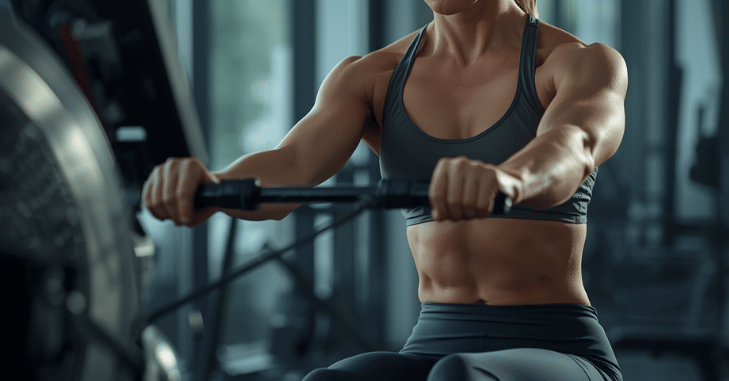
The catch position is the starting point of the rowing stroke. Sit tall with your knees bent, arms extended forward, and your core engaged. Maintain a neutral spine and keep your shoulders relaxed to prepare for a strong and controlled movement.
Drive Phase
During the drive phase, push through your legs first while keeping your arms straight initially. As your legs extend, begin to lean slightly back, transferring power from your lower body to your upper body in a smooth, coordinated motion.
Finish Position
In the finish position, pull the handle toward your lower ribs while engaging your back and arms. Keep your posture strong, with your chest lifted and shoulders back, ensuring proper muscle activation and avoiding strain.
Recovery Phase
The recovery phase is about returning to the starting position in a controlled manner. Extend your arms first, then lean forward slightly, and finally bend your knees to slide back into the catch position, ready for the next stroke.
Types
Steady-State Cardio
- Moderate-pace rowing for 20–40 minutes
- Great for fat burning and endurance
High-Intensity Interval Training (HIIT)
- Short bursts of intense rowing followed by rest
- Burns more calories in less time
Strength-Based Rowing
- Slower strokes with more resistance
- Focus on power and muscle building
Distance Training
- Row for a set distance (e.g., 2000m)
- Improves stamina and performance
Sample Rowing Machine Workout Plan
Beginner Workout
- 5-minute warm-up
- 10 minutes steady rowing
- 5 minutes light rowing cooldown
Intermediate Workout
- 5-minute warm-up
- 3 rounds:
- 2 minutes fast rowing
- 1-minute slow recovery
- 5-minute cooldown
Advanced HIIT Workout
- 5-minute warm-up
- 8 rounds:
- 30-second sprint
- 1 minute rest
- 10 minutes steady rowing
Rowing for Fat Loss
Rowing machine workouts are highly effective for fat loss because they engage large muscle groups across the entire body, helping to increase your heart rate quickly and burn a significant number of calories both during and after workouts.
This full-body involvement boosts overall energy expenditure, making it an excellent choice for those aiming to lose weight. To maximize fat loss results, it’s important to combine high-intensity interval training (HIIT) with steady-state rowing sessions, maintain a consistent calorie deficit, stay regular with your workouts, and pair your routine with a balanced, nutritious diet.
Rowing for Strength and Muscle Toning
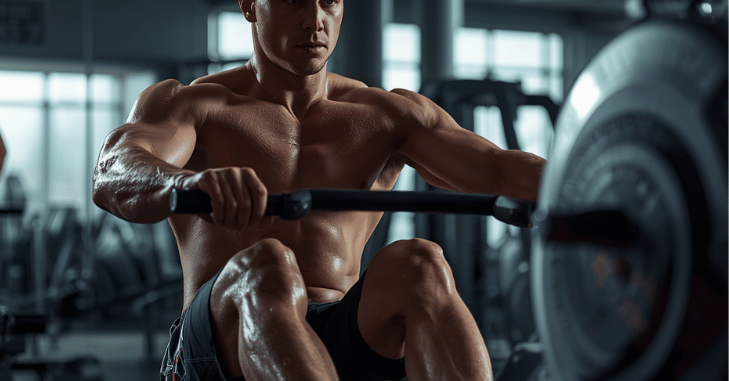
How Does Rowing Build Strength?
- Resistance from the machine challenges muscles
- Repeated strokes improve endurance
- Engages glutes, legs, and back effectively
Tips for Muscle Toning
- Increase resistance gradually
- Focus on powerful strokes
- Maintain proper form
- Include strength training alongside rowing
Nutrition Tips for Rowing Performance
Protein
Protein plays a crucial role in supporting muscle repair and growth, helping your body recover after intense rowing sessions. Good sources include chicken, fish, eggs, and legumes, which provide the essential amino acids needed for optimal performance.
Carbohydrates
Carbohydrates are the primary energy source for rowing, especially during high-intensity workouts. Including foods like oats, rice, fruits, and potatoes in your diet helps maintain energy levels and improves endurance.
Healthy Fats
Healthy fats are important for supporting hormone balance and overall health. Incorporate sources such as nuts, seeds, and olive oil to ensure your body functions efficiently during training and recovery.
Hydration
Proper hydration is essential for both performance and recovery. Drinking enough water helps regulate body temperature, maintain endurance, and prevent fatigue during rowing workouts.
Rowing Machine vs Other Cardio Equipment
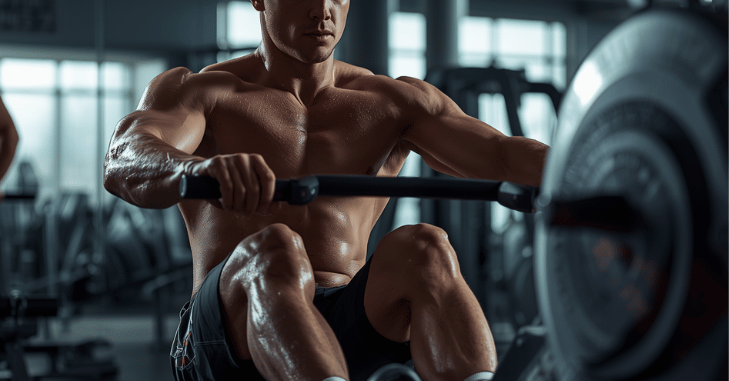
Treadmill
- Rowing: full-body workout
- Treadmill: mainly lower body
Cycling
- Rowing: higher muscle engagement
- Cycling: lower impact but less upper-body work
Elliptical
- Rowing: more strength-focused
- Elliptical: steady cardio
Common Mistakes to Avoid
- Pulling with arms before using legs
- Rounding your back during rowing
- Using too much resistance too soon
- Rowing too fast with poor form
- Skipping warm-up and cooldown
Tips for Better Results
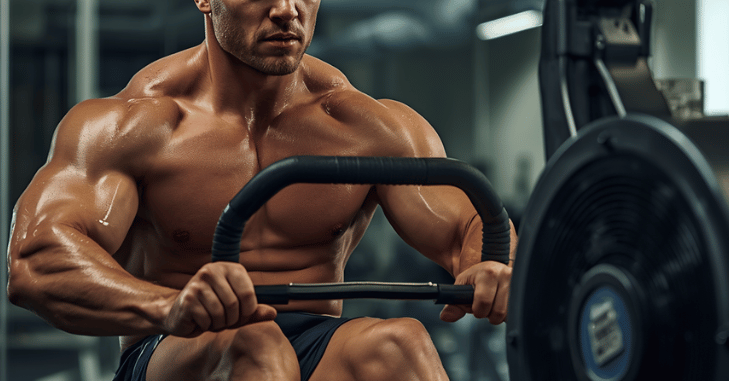
- Focus on technique before speed
- Keep strokes smooth and controlled
- Maintain consistent breathing
- Track distance, time, and calories
- Gradually increase intensity
Conclusion
A rowing machine workout is one of the most effective and versatile fitness methods for achieving full-body transformation, including fat loss, strength building, endurance improvement, muscle toning, and enhanced cardiovascular fitness. By engaging nearly every major muscle group and combining both cardio and resistance training, rowing delivers fast and efficient results for all fitness levels.
With proper technique, consistent training, and balanced nutrition, you can maximize the benefits of rowing and steadily improve your overall performance and physique. Whether your goal is weight loss, muscle development, or better stamina, the rowing machine workout remains a powerful and reliable choice for long-term fitness success.
Want to know about Calories in a Pint of Guinness: Complete Guide to Nutritional Values, Serving Sizes, and Fitness-Friendly Insights for Health-Conscious Consumers Check out our Fitness category.
FAQs
It has been demonstrated that a 12-week rowing program dramatically reduces body fat, especially in the abdomen. Second, rowing is an intense cardiovascular exercise.
Rowing satisfies this requirement and is an efficient way to develop BMD, according to numerous scientific studies.
Yes, rowing for 20 minutes four days a week is sufficient to maintain an active lifestyle.
While rowing is a low-impact exercise that works more muscles for a full-body workout, running is a high-impact activity that burns more calories.