AI-Proof Jobs
Artificial Intelligence (AI) and automation are reshaping industries at a pace faster than any previous technological revolution. From self-checkout machines replacing cashiers to generative AI tools drafting marketing content, the workforce is witnessing a fundamental transformation. A 2023 report by Goldman Sachs suggested that nearly 300 million jobs worldwide could be affected by AI in the coming decades.
But amidst the anxiety lies an opportunity: not every career is at risk. Some jobs are considered AI-proof—roles where human judgment, empathy, creativity, or physical dexterity play a crucial role that machines cannot replicate. These careers will not only survive but also thrive in an AI-driven world.
This guide examines AI-proof jobs, essential human skills, and resilient industries, providing clarity for professionals, students, and job seekers navigating the future of work.
| Category | AI-Exposed Jobs | AI-Proof Jobs | Reason for AI-Proof Status |
| Healthcare | Radiology technicians, pharmacy robots | Doctors, nurses, therapists | Requires empathy, ethical judgment, and human care |
| Education | Automated grading, online course creators | Teachers, trainers, mentors | Human motivation, emotional support, and creativity |
| Creative Work | AI-generated content, stock design | Artists, writers, filmmakers, designers | Originality, cultural context, storytelling |
| Customer Service | Call center agents, chatbots | Social workers, therapists | Emotional intelligence, conflict resolution |
| Finance | Basic bookkeeping, loan processors | Financial advisors, auditors | Critical Thinking, trust, judgment |
| Skilled Trades | Assembly line work | Electricians, plumbers, mechanics | Physical dexterity, problem-solving in unpredictable environments |
| Management & Leadership | Routine scheduling, basic coordination | Managers, team leaders, strategists | Vision, Leadership, and decision-making under uncertainty |
| Legal & Ethical Professions | AI document review | Lawyers, judges, ethicists | Moral Reasoning, nuanced judgment |
What Makes a Job AI-Proof?
A career becomes “AI-proof” when it demands qualities that machines inherently lack, such as:
- Human empathy and emotional intelligence – understanding and connecting with human emotions.
- Creativity and Innovation – generating original ideas rather than relying on pre-programmed logic.
- Complex physical dexterity – manual work requiring adaptability and fine motor skills.
- Ethical and moral decision-making – applying values and human judgment in uncertain situations.
- Unpredictable environments – roles where no amount of data can anticipate real-life scenarios.
These qualities form the foundation of careers that will remain secure, even as AI continues to automate repetitive, rules-based, and data-driven tasks.
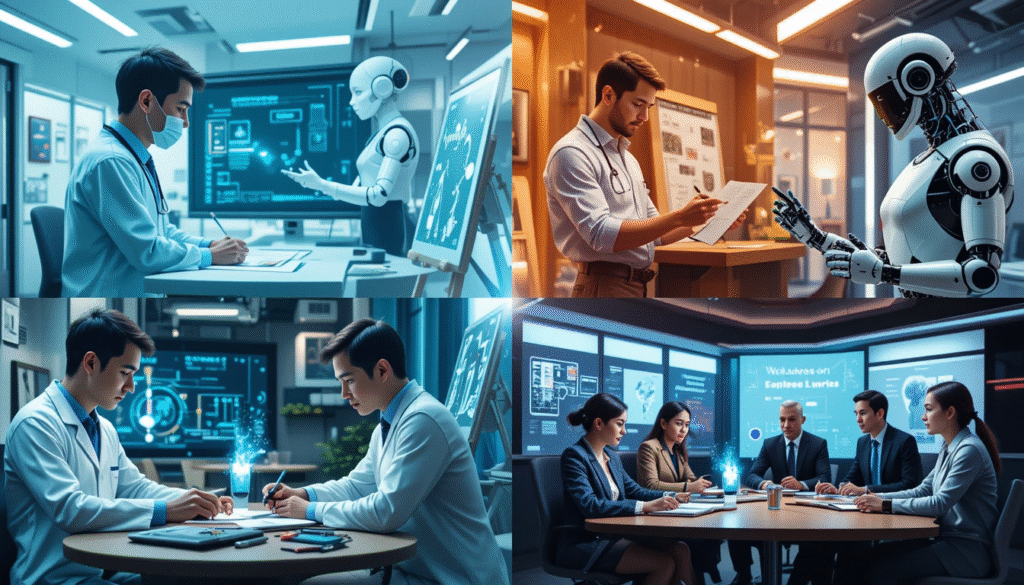
Industries That Will Stay Relevant in the Age of AI
While no sector is entirely immune, specific industries are inherently more resilient against automation. These include:
- Healthcare and Medicine – Human doctors, nurses, therapists, and caregivers are irreplaceable due to the empathy and judgment required.
- Education and Training – Teachers, mentors, and trainers provide personalized guidance and emotional support beyond AI’s reach.
- Creative Industries – Artists, designers, writers, and innovators thrive on originality, not just data replication.
- Skilled Trades – Electricians, plumbers, and carpenters rely on physical adaptability in unique work environments.
- Legal and Ethical Professions – Lawyers, judges, and ethicists must interpret nuance and morality, areas in which AI struggles.
- Leadership and Management – Inspiring teams and making strategic decisions require human vision, not algorithms.
Careers Considered AI-Proof
1. Healthcare Professionals
Doctors, nurses, psychologists, and therapists require empathy, ethical decision-making, and the trust of their patients. While AI can assist in diagnostics, it cannot replace the human touch in treatment and care.

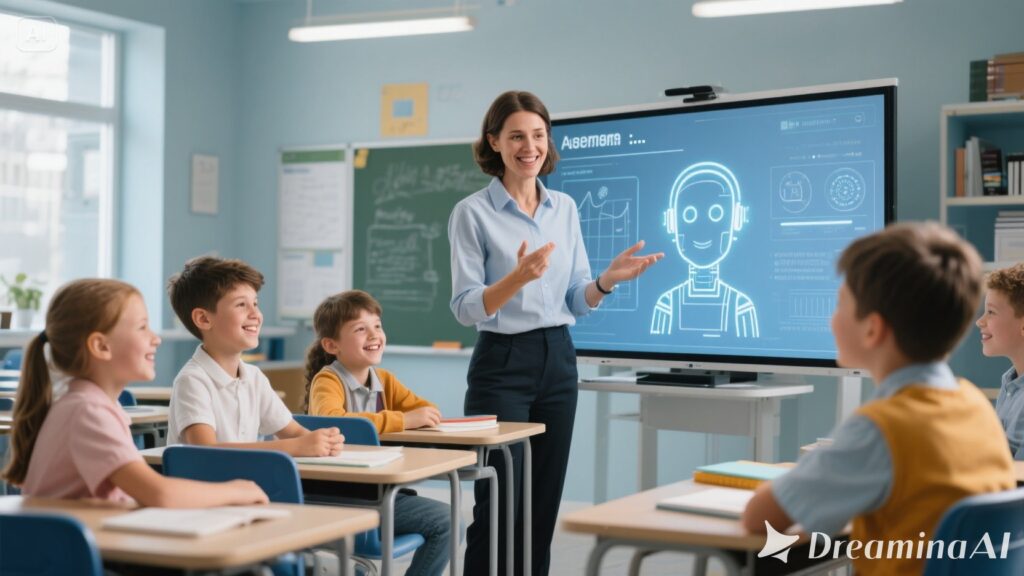
2. Educators and Trainers
Teachers guide more than academics—they shape emotional intelligence, motivation, and creativity in students. AI tutors can supplement but not replace the human role in learning.
3. Creative Professionals
Writers, filmmakers, designers, and musicians generate original art and cultural meaning. AI can mimic, but true originality remains a uniquely human trait.

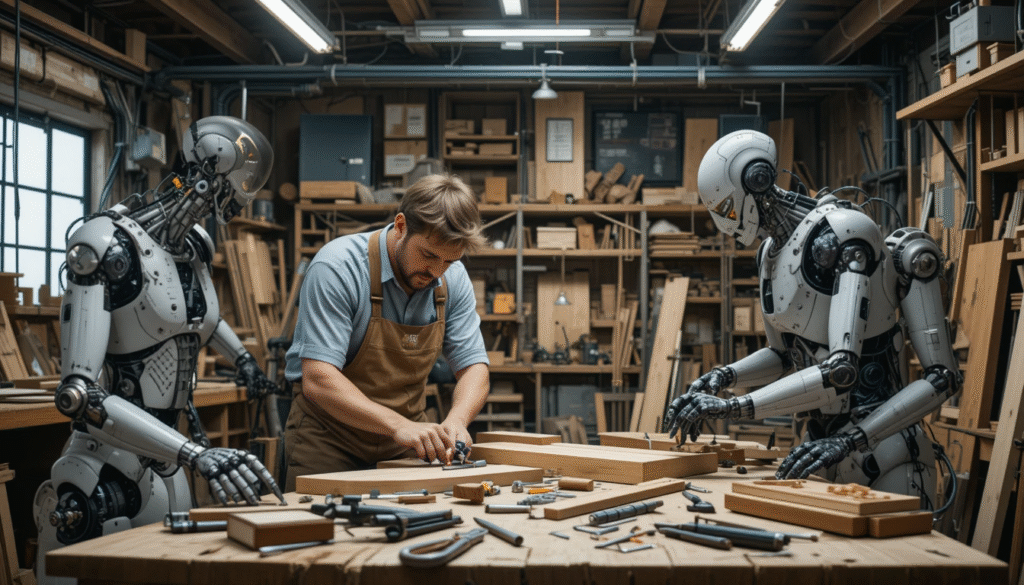
4. Skilled Tradespeople
Jobs like electricians, plumbers, and mechanics demand hands-on adaptability in unpredictable real-world settings, making automation difficult.
5. Mental Health and Social Workers
Providing emotional support, counseling, and crisis intervention involves empathy and a deep human connection.
6. Managers and Leaders
Strategic vision, conflict resolution, and motivating people are inherently human skills that AI can’t replicate authentically.

7. Legal and Ethical Advisors
While AI can process laws quickly, only humans can interpret justice through the lenses of culture, morality, and emotion.
Essential Human Skills That Will Remain in Demand
To future-proof your career, building the right skills is as important as choosing the right industry. Some of the most crucial include:
- Emotional Intelligence (EQ) – leading, inspiring, and resolving conflicts.
- Creativity and Innovation – generating ideas, not just analyzing existing ones.
- Critical Thinking – applying judgment in complex, ambiguous situations.
- Adaptability and Lifelong Learning – staying flexible in fast-changing work environments.
- Collaboration and Leadership – excelling at teamwork and people management.
- Ethical Reasoning – ensuring responsible and fair decision-making.
The Importance of Human Relationships in Future Careers
Another reason many jobs remain resistant to automation is the value of human relationships. In professions such as healthcare, education, counseling, sales, and leadership, trust is built through personal interaction, understanding, and shared experiences. People often seek guidance, reassurance, and emotional support that cannot be fully provided by algorithms or machines.
Even as AI becomes more advanced, professionals who can build strong relationships, communicate effectively, and understand individual needs will continue to be highly valued. This human-centered approach ensures that many careers will remain relevant because genuine connection is something technology can support but not truly replace.
Comparing AI-Exposed vs. AI-Proof Jobs
| Category | AI-Exposed Jobs | AI-Proof Jobs | Reason for Difference |
| Customer Service | Call center agents, virtual assistants | Social workers, therapists | Requires empathy & deep connection |
| Administration | Data entry clerks, schedulers | Managers, HR leaders | Needs strategy & people management |
| Finance | Basic accountants, loan processors | Financial advisors, auditors | Requires judgment & trust |
| Healthcare | Radiology image analysis, pharmacy robots | Doctors, nurses, psychologists | Needs empathy & critical care |
| Education | Automated grading, online quizzes | Teachers, mentors, trainers | Human motivation & creativity |
| Creative Work | AI-generated content, stock photography | Artists, filmmakers, designers | Originality & cultural context |
| Trades | Assembly line workers | Electricians, plumbers, mechanics | Physical adaptability |
The Role of Lifelong Learning in an AI World
In the AI-driven era, static skills will quickly become outdated. To remain relevant, professionals must continually pursue lifelong learning. This means:
- Constantly upgrading technical and soft skills.
- Pursuing certifications in fields blending technology and human value (e.g., AI in healthcare).
- Developing resilience to career changes and pivots.
The ability to learn, unlearn, and relearn will become the defining feature of future professionals.
Balancing AI and Human Collaboration
It’s important to note that AI-proof doesn’t mean AI-free. The most successful careers will be those that collaborate with AI rather than compete against it. For instance:
- Doctors will utilize AI diagnostic tools while applying human empathy in treatment.
- Teachers may use AI-driven learning platforms, but remain central to student motivation.
- Creators might integrate AI tools for efficiency, but they still rely on their unique vision and storytelling.
The Future Outlook: Humans as the Irreplaceable Factor
The workforce of the future will not be a battle between humans and machines but a partnership. AI will handle repetitive, data-intensive tasks, while humans will focus on areas that require judgment, ethics, and creativity.
Jobs that combine technical knowledge with human skills will dominate. For example, a “Medical AI Specialist” could blend healthcare expertise with AI oversight, ensuring accuracy while retaining empathy.
Conclusion
The rise of AI is inevitable, but losing human value is not. By focusing on careers and skills that machines cannot replicate, professionals can build resilience in a rapidly shifting job market.
The future of work belongs to those who embrace adaptability, emotional intelligence, creativity, and a lifelong learning mindset. AI may change the way we work, but it cannot replace the essence of being human. Choosing an AI-proof job is not just about survival—it’s about thriving in an era where human qualities are more critical than ever.
If you want to read an interesting article about it, explore our business category.
FAQs
While AI can generate content or assist with design, genuine originality, storytelling, and cultural nuance remain human strengths, making creative professions largely immune to AI.
Yes. Roles like AI ethics specialists, human-centered UX designers, and AI integration managers require both technical expertise and human judgment, making them resilient to automation.
AI cannot replicate human empathy, interpersonal communication, or conflict resolution. Careers relying on these qualities—such as therapists, social workers, and managers—are naturally AI-proof.
AI can augment human capabilities, such as helping doctors analyze scans faster, enabling teachers to track student progress, or assisting designers with repetitive tasks—without replacing the human role.