Baked beans are a beloved comfort food enjoyed around the world for their affordability, heartiness, and ease of preparation. Often served on toast, at breakfast, or as a savory side dish, they are a staple in many households.
But if you’re asking Are Baked Beans Good for You, the answer isn’t one-size-fits-all. Their healthiness depends on how they’re prepared, the portion size, and the type you choose. This complete guide explores the nutritional value of baked beans, their health benefits, sugar and calorie content, and potential downsides to help you make informed dietary choices.
| Are Baked Beans Good for You | Overview | Key Points |
| Nutrition | Moderate-calorie, nutrient-rich | High in fiber and plant-based protein, low in fat, contains iron, potassium, magnesium, folate |
| Health Benefits | Supports overall wellness | Aids digestion, heart health, blood sugar regulation, and weight management |
| Sugar Content | Can be high in commercial varieties | Common sweeteners: white/brown sugar, molasses, high-fructose corn syrup; choose low/no-sugar options |
| Calories | Moderate, depends on preparation | Mostly from carbohydrates; calorie intake rises with processed meats, butter, or sugary sauces |
| Potential Downsides | High sodium, preservatives, and gas | Can cause bloating, not ideal for very low-carb diets, read labels carefully |
| Diet Suitability | Fits various diets when chosen wisely | Vegetarian/vegan-friendly, heart-healthy, moderate for diabetes; limit for low-carb diets |
| Homemade vs Store-Bought | Homemade offers more control | Homemade: less sugar/salt, customizable; Store-bought: convenient but often higher in sugar, sodium, preservatives |
| Tips for Healthier Beans | Small changes improve nutrition | Choose low-sugar/low-sodium, add vegetables, pair with whole grains, and control portions |
Are Baked Beans Good for You?
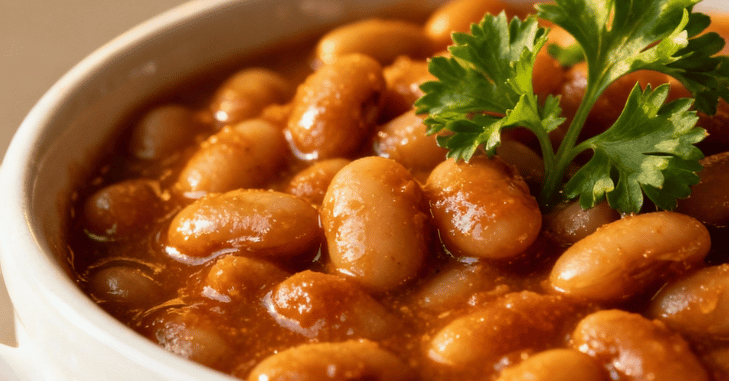
If you’re wondering if are Baked Beans good for you, they can be a healthy and nutritious choice when prepared thoughtfully. Baked beans are typically made from white beans such as navy or haricot beans, slow-cooked in a flavorful sauce.
Most commercial versions contain tomato paste, added sweeteners, salt, vinegar, and spices, which can increase sugar and sodium levels. Homemade baked beans allow you to use natural ingredients, control sugar and salt, and even add vegetables or herbs for extra nutrition. Choosing low-sugar or low-sodium options ensures you get the protein, fiber, vitamins, and minerals baked beans offer, making them a wholesome addition to a balanced diet.
Nutrition Facts of Baked Beans
- Rich in essential nutrients (varies by brand and recipe)
- Moderate calories that support energy needs
- Good source of plant-based protein
- Contains complex carbohydrates for sustained energy
- High in dietary fiber for healthy digestion
- Very low in fat
- Provides essential minerals such as iron, potassium, and magnesium
- Contains folate, which supports cell growth and overall health
Health Benefits of Baked Beans
Baked beans are an excellent source of plant-based protein, making them especially beneficial for vegetarians and vegans. Protein helps support muscle maintenance, strengthens the immune system, and promotes longer-lasting fullness. When baked beans are paired with whole grains such as whole wheat bread or brown rice, they provide a more complete and balanced protein intake.
High in Dietary Fiber
Fiber is one of the most important nutritional benefits of baked beans. A single serving can supply a significant portion of your daily fiber needs. Dietary fiber improves digestion, promotes gut health, prevents constipation, lowers cholesterol levels, and supports healthy weight management. Diets rich in fiber are also linked to a reduced risk of heart disease and type 2 diabetes.
Support Heart Health
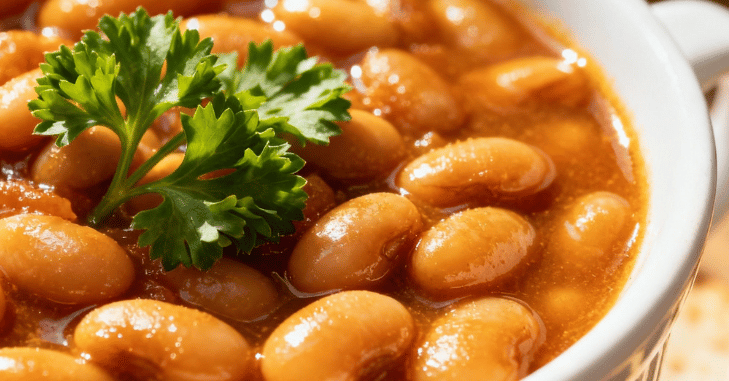
Baked beans support heart health due to their combination of soluble fiber, potassium, and plant-based protein. These nutrients help regulate blood pressure, reduce harmful cholesterol levels, and improve overall cardiovascular function.
Help Regulate Blood Sugar Levels
Baked beans release energy slowly because of their complex carbohydrates and fiber content. This helps stabilize blood sugar levels and prevent sudden spikes. However, varieties with high added sugar may reduce this benefit, so reading nutrition labels is important, especially for people managing diabetes.
Assist with Weight Management
Baked beans are filling and nutrient-dense without being high in fat. Their protein and fiber content increases satiety, helping reduce overeating and unnecessary snacking, which supports healthy weight control.
Provide Essential Vitamins and Minerals
Baked beans provide important vitamins and minerals that contribute to overall health. These include iron for oxygen transport in the blood, folate for cell development and pregnancy health, magnesium for muscle and nerve function, and potassium for fluid balance and healthy blood pressure.
Sugar Content in Baked Beans
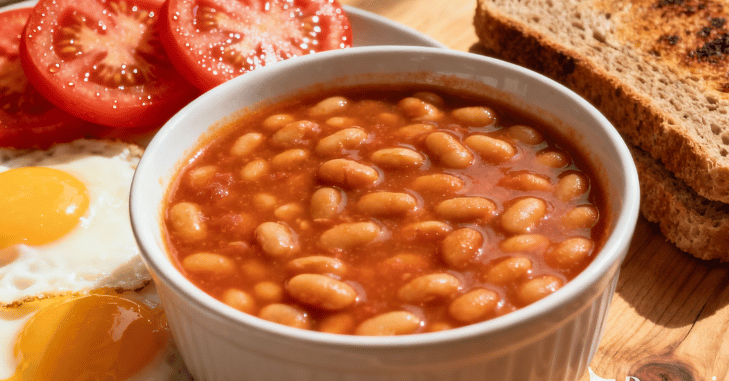
- One of the biggest concerns about baked beans is their added sugar content.
- Wide commercial varieties use sugar or syrups to enhance flavor.
- Common added sweeteners include:
- White or brown sugar
- Molasses
- High-fructose corn syrup
- Excess sugar intake can contribute to weight gain, blood sugar imbalance, and increased risk of chronic diseases.
- Choosing low-sugar or no-added-sugar-based beans can make a significant difference.
Calories in Baked Beans
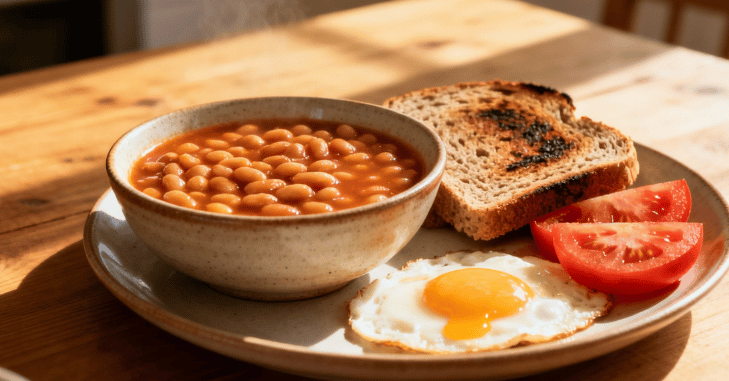
If you’re wondering if are baked beans Good for you, baked beans are moderate in calories and can fit well into a balanced diet, with most calories coming from carbohydrates and low-fat content. They also provide a good source of protein and dietary fiber, which helps with satiety and digestion.
However, calorie intake can increase significantly when baked beans are served with processed meats, butter, or sugary sauces, making portion control essential. Choosing homemade or low-sugar versions can further help manage calories while still enjoying their flavor and nutritional benefits.
Potential Downsides of Baked Beans
High Sodium Levels
Many canned baked beans contain high amounts of sodium, which can increase blood pressure and strain the heart if consumed in excess. Low-sodium options are a better choice for regular consumption.
Added Preservatives
Some store-bought baked beans contain preservatives and artificial flavorings. While generally safe, they may not align with clean-eating or whole-food diets.
Digestive Discomfort
Beans can cause gas and bloating for some people due to naturally occurring carbohydrates called oligosaccharides, which are fermented by bacteria in the gut. If you’re wondering if Are Baked Beans good for you, eating smaller portions and gradually increasing intake can help your digestive system adjust. Soaking dried beans before cooking, rinsing canned beans, and chewing thoroughly can further reduce gas
Are Baked Beans Suitable for Different Diets?
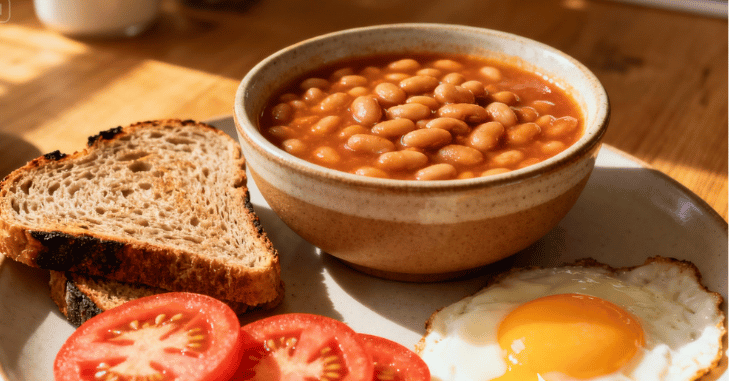
- Baked beans can be a healthy addition to many eating plans when chosen carefully.
- Well-suited for vegetarian and vegan diets due to their protein and fiber content.
- Beneficial for heart-healthy diets when low-sodium options are selected.
- People with diabetes should choose reduced-sugar varieties and consume them in moderate portions.
- Those on low-carb diets may need to limit their intake.
Homemade vs Store-Bought Baked Beans
Homemade baked beans allow complete control over ingredients, making it easier to reduce sugar, salt, and unhealthy additives. You can choose high-quality beans, natural sweeteners, and heart-healthy oils. Additionally, you can customize flavors with herbs and spices, creating a fresher, more nutritious dish that fits your dietary preferences and portion needs.
Store-Bought Baked Beans
Store-bought baked beans offer convenience and save preparation time, making them ideal for busy schedules. However, they often contain higher levels of sodium, added sugar, and preservatives. If you’re wondering if Are Baked Beans are good for you, reading labels carefully and selecting low-sodium or reduced-sugar options can help make store-bought beans a healthier choice without sacrificing ease and taste.
Tips to Make Baked Beans Healthier
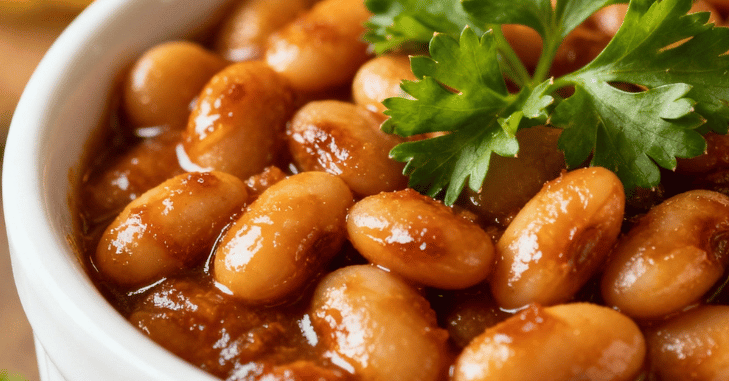
- Choose low-sugar and low-sodium varieties
- Read nutrition labels carefully
- Add vegetables like onions, tomatoes, or spinach
- Pair with whole grains instead of refined bread
- Keep portion sizes reasonable
Conclusion
Are Baked Beans Good for You? Yes, when chosen wisely, baked beans can be a nutritious and satisfying addition to a balanced diet. They provide fiber, plant-based protein, and essential vitamins and minerals that support digestion, heart health, and overall well-being.
However, added sugar, sodium, and preservatives in some commercial varieties can reduce their health benefits. Opting for low-sugar, low-sodium versions or making baked beans at home allows you to enjoy their flavor and nutrition without the drawbacks, making them a wholesome choice for mindful eating.
Want to know about How Much Caffeine in Coca-Cola zero? Complete Guide to Content, Effects, and Serving Insights Check out our Fitness category.
FAQs
Baked beans can indeed be healthy. They come in a processed sauce that may have added sugar and salt, but they are also rich in fiber and plant-based protein.
In addition to having a different combination of vitamins, minerals, and other elements than fruit and vegetables, beans and pulses are high in protein and excellent sources of fiber.
Chickpeas, kidneys, pintos, and lentils are among the healthiest beans.
There was a 35% reduction in the risk of metabolic syndrome when one serving of beans was substituted for one serving of white rice.