


Waking up with a stiff or aching back can ruin your entire day before it even begins. For millions of people, lower back pain is not just a daytime issue it’s deeply connected to sleep quality. The surface you sleep on plays a critical role in how your spine aligns, how your muscles relax, and how your body recovers overnight.
That’s why choosing the best mattress for lower back pain is not a luxury; it’s a necessity for long-term health and comfort. In this comprehensive guide, we’ll explore how the right mattress can transform your sleep, reduce discomfort, and support proper posture.
Whether you’re dealing with chronic pain or occasional stiffness, this article will help you make an informed, practical decision. It breaks down the key factors that influence mattress comfort and spinal support in simple terms.
| Reduces strain on the lower back | Recommendation | Impact on Lower Back Pain | Best Option |
| Mattress Type | Memory Foam / Hybrid | Provides contouring + support | Hybrid (balanced performance) |
| Firmness Level | Medium-Firm | Maintains spinal alignment | Medium-Firm (most recommended) |
| Spinal Alignment | Neutral Position | Reduces strain on lower back | Proper support zones |
| Pressure Relief | High | Minimises stress on hips & lower back | Memory foam layers |
| Sleep Position | Back / Side | Affects weight distribution | Match mattress to position |
| Durability | 7–10 years | Prevents sagging and misalignment | High-density materials |
| Motion Isolation | Moderate–High | Reduces sleep disturbances | Foam or hybrid mattresses |
| Breathability | Good airflow | Prevents overheating | Hybrid or latex |
| Edge Support | Strong | Improves stability and support | Reinforced edges |
| Additional Support | Lumbar zones | Targets lower back specifically | Zoned support mattresses |
The Foundation of Relief: Finding the Best Mattress for Lower Back Pain

Best Mattress for Lower Back Pain: For millions of people worldwide, waking up isn’t greeted with a sense of refreshment, but rather a sharp, nagging ache in the lumbar region. Sleep is supposed to be the body’s primary time for cellular repair and spinal decompression.
However, the wrong sleeping surface can turn those eight hours into prolonged physical stress. Finding the best mattress for lower back pain is not just about luxury—it is a medical necessity for long-term spinal health.
The relationship between sleep surfaces and musculoskeletal health is complex. Your spine has a natural “S” curve that needs to be maintained throughout the night. If a mattress is too soft, your hips sink, creating a “hammock” effect that strains the lower back. If it is too firm, it pushes against your pressure points, forcing the spine into an unnatural alignment. This guide explores how to navigate the sea of foam, coils, and latex to reclaim your sleep.
Why Your Mattress Matters for Lower Back Pain?
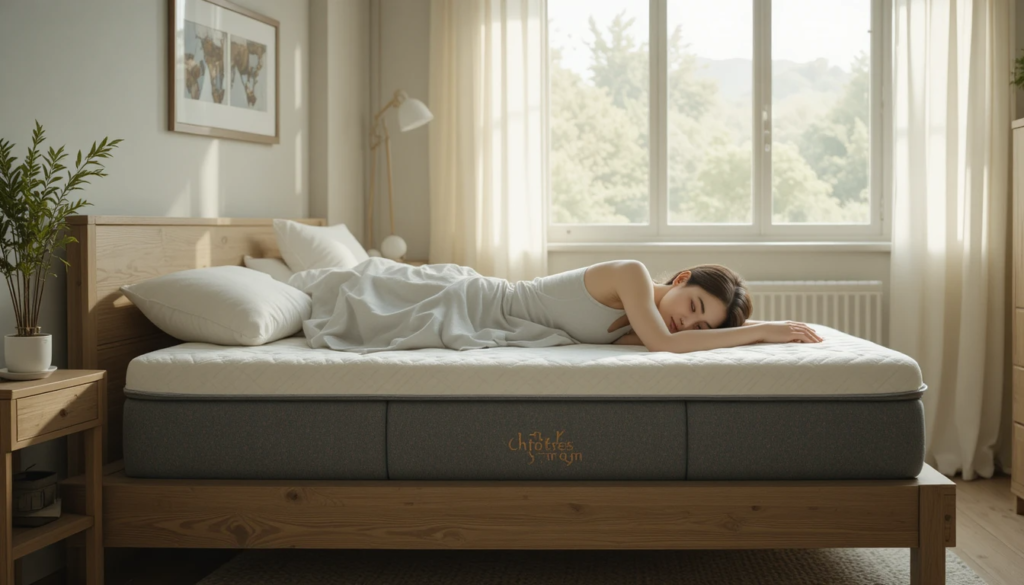
Your spine has a natural curve that must be supported while you sleep. If your mattress is too soft, your body may sink excessively, causing misalignment. If it’s too firm, it may create pressure points that strain your lower back.
How a Poor Mattress Affects Your Back
- Causes improper spinal alignment
- Increases muscle tension overnight
- Leads to pressure buildup in the hips and lower back
- Reduces sleep quality and recovery
Choosing the best mattress for lower back pain helps keep your spine in a neutral position, allowing muscles to relax and heal.
Understanding Spinal Alignment During Sleep
Spinal alignment refers to how well your head, shoulders, and hips are positioned while lying down, and maintaining proper alignment is essential for reducing strain and evenly distributing body weight. Each sleeping position requires a slightly different approach to support.
Back sleepers should maintain the natural curve of the lower spine, while side sleepers need to keep the spine straight from the neck down to the hips. Stomach sleepers, on the other hand, should minimize the arching of the lower back to avoid added pressure.
A supportive mattress plays a key role by adapting to your sleeping position while preventing excessive sinking or stiffness, ensuring comfort and proper posture throughout the night.
Types of Mattresses for Lower Back Pain

Different mattress types offer varying levels of support and comfort. Understanding these options helps you find what suits your body best.
1. Memory Foam Mattresses
Memory foam is known for contouring to your body shape.
Benefits:
- Excellent pressure relief
- Even weight distribution
- Reduces stress on the lower back
2. Innerspring Mattresses
Traditional mattresses with coil systems.
Benefits:
- Strong support
- Better airflow
- Responsive surface
3. Hybrid Mattresses
A combination of foam and coils.
Benefits:
- Balanced support and comfort
- Improved durability
- Suitable for most sleepers
4. Latex Mattresses
Made from natural or synthetic latex.
Benefits:
- Firm yet responsive
- Long-lasting support
- Eco-friendly options
Mattress Comparison Table
| Mattress Type | Support Level | Pressure Relief | Best For | Durability |
| Memory Foam | Medium–High | Excellent | Side & back sleepers | High |
| Innerspring | Medium | Moderate | Back sleepers | Medium |
| Hybrid | High | High | All sleeping positions | High |
| Latex | Medium–High | Good | Eco-conscious users | Very High |
This comparison highlights how each type contributes to finding the best mattress for lower back pain.
Choosing the Right Firmness Level
Firmness is one of the most critical factors in mattress selection.
Recommended Firmness Levels
- Soft: Not ideal for back pain (too much sinking)
- Medium-firm: Best balance for support and comfort
- Firm: Suitable for heavier individuals or back sleepers
Most experts recommend a medium-firm mattress as the best mattress for lower back pain because it supports the spine without creating pressure points.
Key Features to Look For
When shopping for a mattress, it’s important to focus on features that directly impact spinal health and overall comfort. Key elements to look for include lumbar support zones that help maintain the natural curve of your spine, as well as pressure-relieving materials that reduce strain on sensitive areas like the lower back and hips.
Motion isolation is also valuable, especially if you share a bed, as it minimizes disturbances during sleep. Additionally, breathability ensures proper airflow to keep you cool throughout the night, while strong edge support provides stability and maximises usable sleeping space. Together, these features enhance comfort while maintaining proper spinal alignment.
How Sleep Position Affects Mattress Choice
Your preferred sleeping position influences the type of mattress you need.
Back Sleepers
Back sleepers need firm support for the lumbar region to maintain the natural curve of the spine. They typically benefit most from medium-firm mattresses, which provide the right balance of comfort and support without causing the lower back to sink.
Side Sleepers
Side sleepers require pressure relief for areas like the shoulders and hips, which bear most of the body weight in this position. They generally prefer slightly softer surfaces that cushion these pressure points while keeping the spine properly aligned.
Stomach Sleepers
Stomach sleepers need firmer mattresses to prevent the spine from arching excessively, which can lead to lower back strain. It’s important for them to avoid overly soft beds that allow the midsection to sink too deeply.
Matching your mattress to your sleep position is essential for reducing pain and maintaining proper spinal alignment.
Signs You Need a New Mattress
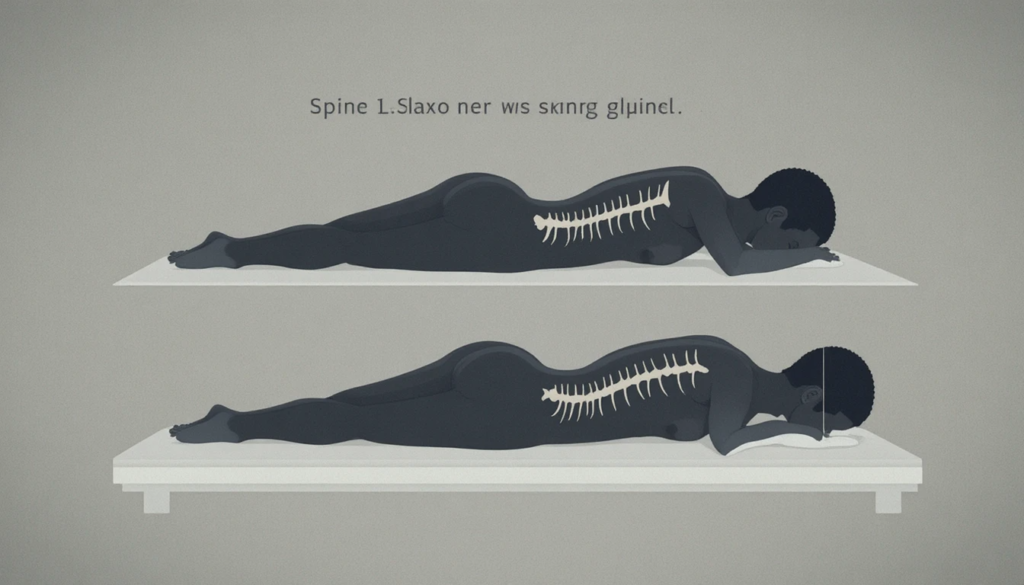
Sometimes, the issue isn’t your body—it’s your mattress.
Warning Signs
- Waking up with pain or stiffness
- Visible sagging or lumps
- Mattress older than 7–10 years
- Poor sleep quality
Replacing an old mattress can significantly improve your comfort and posture.
Common Mistakes When Buying a Mattress
Avoiding common errors can save you time and money.
Mistakes to Avoid
- Choosing based on price alone
- Ignoring the firmness level
- Not testing the mattress
- Overlooking return policies
Taking time to research ensures you choose the right option.
How Long Does It Take to See Improvement?
Switching to the best mattress for lower back pain doesn’t deliver instant results, but noticeable improvements can occur relatively quickly as your body adjusts. During the first few nights, you may experience an adjustment period as your muscles and spine adapt to the new level of support.
Within one to two weeks, many people begin to feel reduced stiffness and improved comfort. By the third to fourth week, more consistent and noticeable pain relief is often achieved. However, consistency in using the right mattress and maintaining good sleep habits is key to experiencing long-term benefits.
Investing in Sleep Quality
A good mattress is an investment in your health, not just comfort.
Why It’s Worth It
- Improves posture
- Enhances recovery
- Boosts energy levels
- Reduces chronic pain
Better sleep leads to a better quality of life.
Conclusion
Finding the best mattress for lower back pain can transform how you sleep and how you feel every day. By supporting proper spinal alignment, reducing pressure points, and improving overall comfort, the right mattress helps your body recover overnight.
Instead of viewing a mattress as a simple purchase, think of it as a long-term investment in your health. With the right choice, you can wake up refreshed, pain-free, and ready to take on the day.
Want to know about Mastering Bench Press Form: Step-by-Step Techniques, Common Mistakes, and Pro Tips for Maximum Strength and Safety Check out our Lifestyle category.
FAQs
Memory foam and hybrid mattresses are often considered the best due to their balance of support and comfort.
Not always. A medium-firm mattress is generally the best option for maintaining spinal alignment.
Every 7–10 years, or sooner if it shows signs of wear.
It can significantly reduce pain, especially when combined with proper sleep habits.

