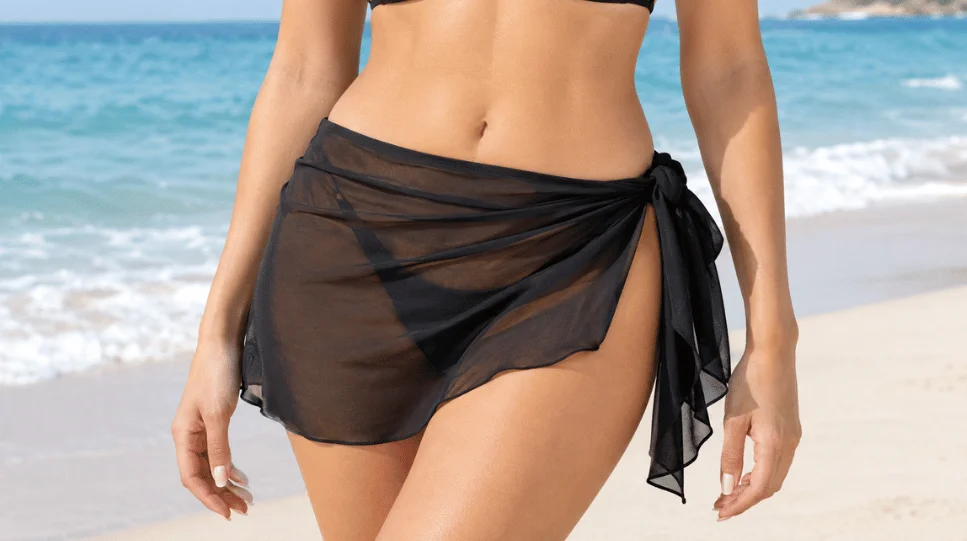
A bikini skirt combines swimwear practicality with more coverage around the hips and upper thighs. Some designs include briefs or shorts underneath, while others work as removable beach layers. The right choice depends on how much coverage, support, and swimming freedom you want.
Current UK collections show several versions, including high-rise designs, ruched skirts, skirted briefs, and styles with concealed shorts. This variety makes the category useful for different body shapes and holiday plans. It also means shoppers should check construction rather than judging a product by its name alone.
Quick answer: Choose a swim skirt by checking what sits underneath, the waistband height, skirt length, fabric, and intended use. Built-in briefs suit regular swimming, while shorts offer extra coverage and security. Separate cover-ups work better when you mainly want an easy layer for the beach or poolside.
Bikini Skirt at a Glance
| Feature | What to check | Why it matters |
|---|---|---|
| Underlayer | Briefs, shorts, or separate bottom | Affects coverage and swimming comfort |
| Waist | Low, mid, or high rise | Changes fit and torso proportions. |
| Length | Micro, mini, or upper-thigh | Determines leg and hip coverage |
| Fabric | Stretch swim fabric or lightweight cover-up material | Affects drying and water suitability |
| Shape | Straight, flared, ruched, or wrap effect | Changes movement and appearance |
| Adjustability | Drawstrings, ruching, or fixed waistband | Helps customize length and fit |
| Purpose | Swimming, lounging, or beach-to-café wear | Guides the most practical design |
What Is a Bikini Skirt?
A skirted swim bottom places a short skirt over briefs, bikini bottoms, or fitted shorts. The skirt may be permanently attached or designed as a separate matching layer. Both options add visual coverage without requiring a full swimsuit.
UK retailers currently use several names for these pieces, including swim skirt, skirted brief, bikini skort, and skirted bikini bottom. These terms can describe slightly different constructions, so product photographs and specifications matter. Always check whether the underlayer is included before ordering.
A sarong is different because it normally wraps and ties around the waist. A constructed swim skirt has a sewn waistband and a defined shape. That structure can make it easier to keep in place during movement.
Which Type Should You Choose?
Different designs solve different problems, so there is no single option that suits every shopper. Your swimming habits should influence the choice before color or print. This comparison gives you a practical starting point.
| Type | Coverage | Swimming suitability | Best for | Main drawback |
|---|---|---|---|---|
| Skirted brief | Moderate | High | Regular pool and beach swimming | Less thigh coverage |
| Skirt with built-in shorts | High | High | Active days and extra security | Can feel warmer |
| Adjustable ruched skirt | Variable | Medium to high | Customizing length | Ties may need readjustment. |
| Separate swim skirt | Variable | Medium | Mixing different swim pieces | Requires another bottom |
| Lightweight cover-up skirt | High on land | Low | Lounging and beachside outings | Often unsuitable for swimming |
Our recommendation: choose a skirted brief for the simplest swim-ready option. Pick built-in shorts when secure thigh coverage matters more. Choose a separate cover-up when styling flexibility is your main priority.
Current products illustrate these differences clearly. Next lists designs with shorts under a skirt overlay, while ASOS currently carries high-rise and ruched options. Adjustable drawstring designs can also change from longer coverage to a shorter silhouette.
How Much Coverage Do You Want?
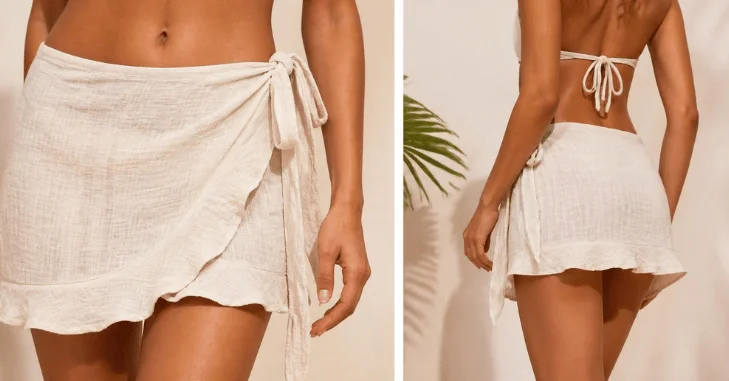
Start by deciding where you want the skirt hem to sit. A short mini shape offers light hip coverage while leaving most of the leg visible. Longer designs can cover more of the upper thigh without moving into swimsuit territory.
The underlayer matters equally because the skirt may lift while swimming or walking. Attached briefs provide conventional bikini coverage beneath the fabric. Fitted shorts can feel more secure during pool activities, watersports, or active family holidays.
Coverage is a personal preference rather than a rule linked to body shape. Choose the amount that moves feel easy and comfortable. Wrytra’s guide to plus-size fashion representation also explores why broader sizing and representation matter in fashion.
Choosing the Right Rise and Waistband
High-rise styles sit higher on the torso and can create a longer visual line through the skirt. Mid-rise designs often feel familiar if you usually wear standard bikini bottoms. Low-rise versions create a more relaxed, early-2000s-inspired shape.
An elasticated waistband should sit securely without rolling, digging, or sliding when wet. Adjustable side ruching can help if you prefer changing the skirt length. Drawstrings are also useful when one fixed hem feels too limiting.
Check your waist and hip measurements against the retailer’s own size guide before buying. UK sizing can differ between brands, even when two garments display the same number. A measurement check is more dependable than relying only on your usual dress size.
Fabric Matters More Than It First Appears
Swim-ready skirts commonly use stretchy synthetic fabrics because they need flexibility and shape retention. Current UK examples include nylon, polyester, and elastane blends. Some designs also use linings or power mesh for extra support.
A separate cover-up may use lighter materials because it does not need to perform underwater. Chiffon, crochet, and lightweight woven fabrics can work well for dry beachwear. They may become heavy, transparent, or uncomfortable after entering the water.
Read the care label before placing a new piece in your suitcase. Chlorine, salt, heat, and repeated sun exposure can affect swim fabrics over time. Rinsing after swimming and following the garment instructions can help maintain its shape.
How Should a Swim Skirt Fit?
The waistband should stay in position while you walk, sit, and bend. Fabric should not pull sharply across the hips or create uncomfortable pressure. You should also have enough room for normal movement through the legs.
If the garment includes shorts, check the leg openings as carefully as the waist. Tight openings can ride upwards, while loose ones may shift during swimming. A balanced fit usually feels close without restricting your stride.
Try mimicking normal holiday movements when testing the fit at home. Sit down, take several long steps, and raise your knees. These simple checks reveal problems that standing in front of a mirror can miss.
How to Style a Bikini Skirt on Holiday
Matching the skirt with its coordinating bikini top creates the easiest complete look. Tonal separates can also work when you want flexibility across several holiday outfits. Black, navy, white, and muted neutrals are especially simple to mix.
For poolside wear, add an oversized shirt, linen layer, or relaxed vest after swimming. Flat sandals and a practical beach bag keep the outfit comfortable. Wrytra’s casual styling guide to Uniqlo tracksuits offers more ideas about balancing comfort with simple styling.
Accessories can shift the same swimwear from functional to more polished. Sunglasses, a sun hat, or understated jewelry can finish the outfit without adding bulk. For more accessory advice, see Wrytra’s designer bracelet buying guide.
Swim Skirt Versus Sarong: Which Is Better?
A fitted swim skirt works better when you want a garment that stays structured. Its waistband usually makes movement more predictable around the pool. Built-in bottoms also remove the need to arrange a separate wrap repeatedly.
A sarong offers greater styling freedom because you can alter the knot and coverage. It can work as a short skirt, longer wrap, or light upper-body layer. That flexibility makes it useful when luggage space is limited.
Choose based on your main activity rather than which design looks more fashionable. Swimmers usually benefit from structured swim fabric and an attached bottom. Loungers may prefer the lighter feel and flexibility of a removable wrap.
Common Buying Mistakes to Avoid
Several small details can determine whether a swimwear purchase gets regular use. Product names alone rarely tell you enough about construction or fit. Check these points before ordering:
- Assuming every skirt includes bikini briefs underneath.
- Buying your usual size without checking measurements.
- Choosing a cover-up fabric for regular swimming.
- Ignoring the skirt length when sitting or moving.
- Forgetting to check whether side ties are adjustable.
- Choosing color before checking support and construction.
- Assuming more fabric automatically means better comfort.
- Ignoring the retailer’s care and returns information.
These mistakes are easy to avoid with a close look at the product specification. Current UK listings often state rise, fabric composition, underlayers, and adjustment features. Comparing those details provides more useful information than comparing photographs alone.
A Simple Three-Step Buying Test
First, decide whether you need the garment for active swimming or mainly for coverage outside the water. That choice immediately narrows the suitable fabrics and constructions. It also prevents buying a pretty cover-up that performs poorly when wet.
Second, choose your preferred combination of rise, hem length, and underlayer. Think about movement as well as appearance during this stage. A design should remain comfortable while walking, sitting, and swimming.
Third, compare your measurements with the brand’s size chart before ordering. Read the material and care information at the same time. This final check reduces the risk of avoidable sizing or fabric surprises.
Frequently Asked Questions About Bikini Skirt Swimwear
Can you swim in a bikini skirt?
Yes, you can wear a bikini skirt when it is made from suitable swim fabric. Designs with attached briefs or shorts are usually intended for water use. Lightweight fashion cover-ups may only be suitable for wearing around the beach.
Are swim skirts only for extra coverage?
No, coverage is only one reason people choose them. Skirted designs can also create a different silhouette or complete a matching three-piece set. Adjustable styles offer another way to change a swimwear look.
Are skirted bikini bottoms flattering?
The most flattering option depends on your preferred proportions and comfort. High-rise, ruched, flared, and fitted shapes create different visual effects. Try choosing the design you feel comfortable moving in rather than following fixed body-shape rules.
What should you wear under a swim skirt?
Many swim skirts already include briefs or fitted shorts. Separate versions may need ordinary bikini bottoms underneath. Check the product description carefully because construction varies between retailers.
What is the difference between a swim skirt and a swimdress?
A swim skirt is normally a separate bottom paired with a bikini or tankini top. A swimdress combines the upper and lower sections into one swimsuit. Both can provide additional hip or thigh coverage.
Can you wear a swim skirt away from the pool?
Some designs can work for short beachside walks, cafés, or resort areas. A separate styling layer often handles these transitions better than a fitted swimming bottom. Check local dress expectations when leaving a beach or resort.
Choosing the Right One for Your Holiday
Start with function, because it determines whether your swimwear will feel comfortable throughout the day. Regular swimmers should prioritise secure underlayers, stretch, and a stable waistband. Shoppers focused on lounging can give more weight to length, styling, and removable layers.
The strongest choice is the design that fits your activities rather than one specific trend. Compare construction, measurements, fabric, and coverage before deciding. That process gives you a better chance of packing swimwear you will genuinely use.
A well-chosen skirted bottom can provide coverage without giving up the flexibility of two-piece swimwear. It can also make mixing tops and bottoms easier across a holiday wardrobe. Use the checklist above before your next UK swimwear purchase.