Polystyrene Ceiling Tiles
Ceilings are often overlooked when designing or renovating a space, but they play a massive role in the overall aesthetics and functionality of a room. Among the many options available today, polystyrene ceiling tiles have carved out a niche as an affordable, lightweight, and versatile solution. Whether you want to conceal imperfections, enhance insulation, or upgrade a tired ceiling, these tiles offer numerous possibilities.
However, like any material, they have strengths, weaknesses, and specific use cases. This comprehensive guide explores the benefits, drawbacks, costs, durability, installation techniques, and modern design applications of polystyrene ceiling tiles, helping homeowners, designers, and office managers make informed choices.
| Aspect | Key Details | Insights/Examples |
| Benefits | Lightweight, easy to install, affordable, paintable, and available in a variety of decorative designs. | Ideal for DIY projects, a cost-saving alternative to plaster or tin ceilings. |
| Drawbacks | Susceptible to damage, not highly fire-resistant, limited soundproofing, and may discolor over time. | Better suited for decorative use rather than heavy-duty performance. |
| Costs | $1 – $5 per sq. ft. (basic styles); $5 – $10 per sq. ft. (premium decorative). | Still, it is more budget-friendly compared to plaster, wood, or metal tiles. |
| Durability | Moderate lifespan (5–15 years) depending on environment and maintenance. | Works well in dry areas; however, it is not ideal for humid spaces without proper sealing. |
| Installation Methods | Glue-up directly to the ceiling or drop ceiling grids. | Glue-up is seamless and decorative; drop ceilings offer easy access to utilities. |
| Modern Design Uses | Living rooms, bedrooms, basements, dining areas, and offices. | Embossed, textured, metallic-finish, or paintable styles for personalized aesthetics. |
What Are Polystyrene Ceiling Tiles?
Polystyrene ceiling tiles are thin panels made from expanded or extruded polystyrene, a lightweight plastic foam. Available in plain, textured, or decorative finishes, they can be glued directly to an existing ceiling or fitted into suspended grid systems.
They’re popular because of their low cost, ease of installation, and adaptability, but they’re not without controversy. Fire safety, moisture resistance, and environmental impact are common concerns that must be addressed before investing.
Benefits of Polystyrene Ceiling Tiles
1. Affordability
Polystyrene tiles are one of the most budget-friendly ceiling materials available. Compared to plasterboard, wood, or metal ceilings, they cost significantly less both in purchase and installation.
2. Lightweight and Easy to Install
Due to their foam-like composition, these tiles are easy to carry, cut, and install. DIY enthusiasts can install them with minimal tools—usually just adhesive, a sharp knife, and a straight edge.
3. Versatility in Design
They come in various patterns, textures, and even 3D effects that mimic the look of plaster or wood. Modern manufacturers have improved their finishes, making them suitable for both contemporary and traditional interiors.
4. Insulation Properties
Polystyrene possesses natural thermal and acoustic insulation properties, which can enhance room comfort and lower energy costs when combined with other insulating materials.
5. Covering Imperfections
If you have a ceiling with cracks, stains, or uneven surfaces, polystyrene tiles are an affordable way to conceal flaws without major renovation work.

Costs of Polystyrene Ceiling Tiles
Polystyrene tiles remain attractive primarily because of their cost-effectiveness.
- Material Cost: Typically ranges between $1 $3 per square foot, depending on design and quality.
- Installation Cost: DIY projects may cost as little as $1.50 per square foot (materials only). Professional installation may increase costs to $4–$6 per square foot.
- Maintenance Cost: Minimal, although replacement may be necessary if tiles are damaged.
When compared to other ceiling materials, such as drywall, wood panels, or acoustic tiles, polystyrene is usually the most cost-effective upfront option, although not always the most cost-effective in the long term.
Drawbacks of Polystyrene Ceiling Tiles
1. Fire Safety Concerns
Polystyrene is highly flammable. Unless treated with fire-retardant coatings, it can release toxic fumes when exposed to heat or flames. Many building codes restrict its use in commercial spaces for this reason.
2. Limited Durability
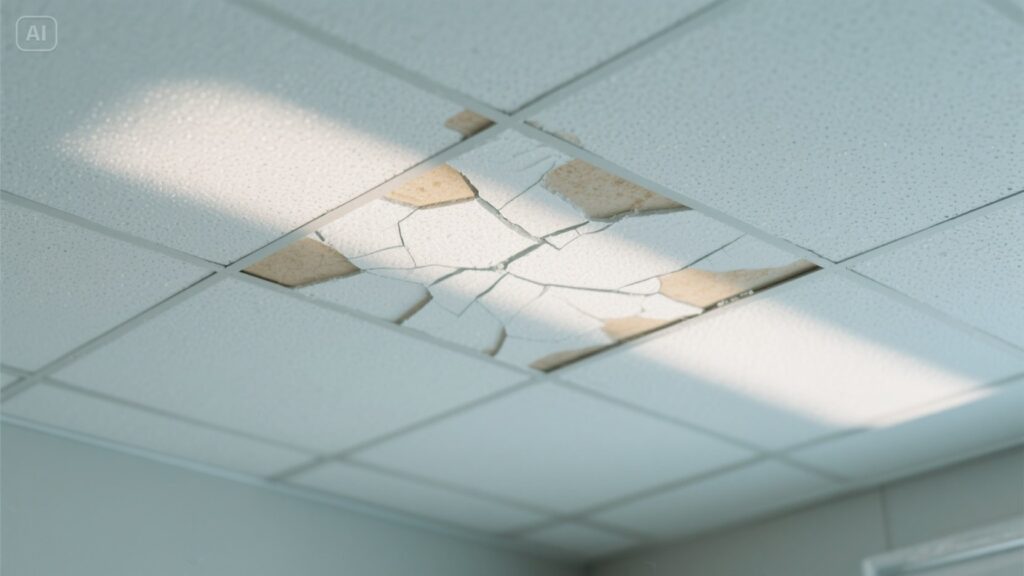
While resistant to some wear, polystyrene tiles are prone to dents, scratches, and warping over time. They are less durable compared to plaster, wood, or PVC ceiling panels.
3. Moisture Sensitivity
They can absorb moisture and may deform in humid environments. This makes them unsuitable for bathrooms, kitchens, or any area with high humidity, unless they are specially treated.
4. Environmental Concerns
Polystyrene is a petroleum-based material and is not biodegradable. Its long-term environmental impact and recycling challenges make it less eco-friendly than alternatives.

Environmental Impact and Sustainability Considerations
Another important factor when considering polystyrene ceiling tiles is their environmental impact. Polystyrene is a petroleum-based material that is not biodegradable, which means it can remain in landfills for a long time after disposal.
While the production process is relatively cost-efficient, recycling options are limited in many regions, making it less sustainable compared to materials like mineral fiber or recycled PVC panels. However, some modern manufacturers are now developing improved versions with reduced emissions and fire-retardant, low-VOC coatings to make them slightly more eco-conscious.
Durability: How Long Do They Last?
Polystyrene tiles can last 10–15 years under ideal conditions. However, durability depends heavily on:
- Environment: Humidity, temperature changes, and exposure to smoke can shorten lifespan.
- Maintenance: Regular cleaning and avoiding physical impact can extend the usability of these items.
- Quality of Tile: Higher-grade tiles with protective coatings last longer than budget varieties.
While durable enough for decorative or temporary applications, they may not be the best choice for high-traffic commercial spaces.
Installation Methods
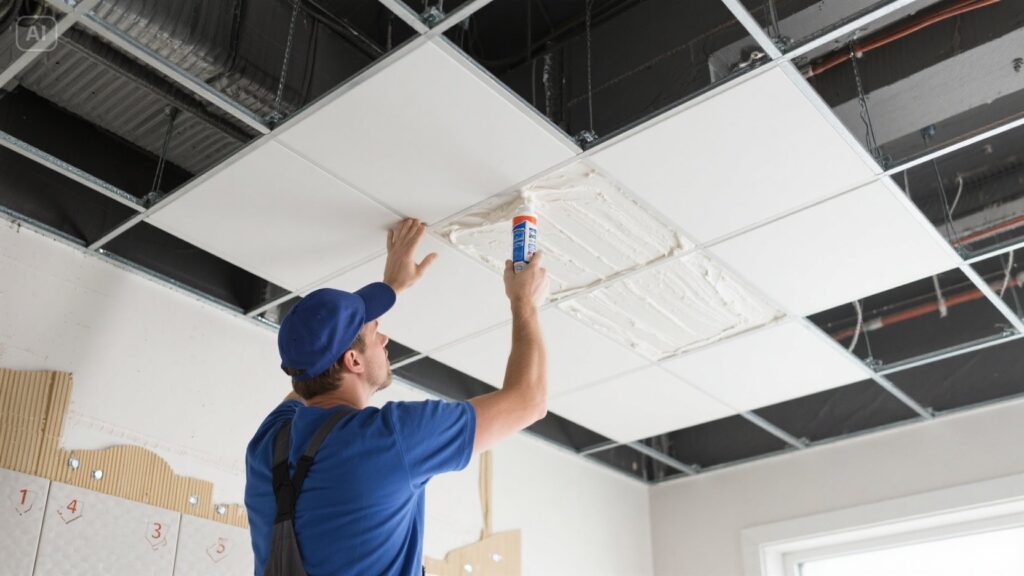
Polystyrene ceiling tiles can be installed using two primary methods:
1. Direct Adhesion (Glue-Up Method)
- Best for: Covering existing flat ceilings (plaster, drywall, or concrete).
- Steps:
- Clean and prepare the surface.
- Apply adhesive to the back of the tile.
- Press firmly into place, starting at the center of the ceiling.
- Cut-edge tiles to fit with a sharp knife.
- Pros: Simple DIY approach, low cost.
- Cons: Difficult to remove or replace without damaging the ceiling.
2. Suspended (Drop) Ceiling System
- Best for: Offices, basements, or areas needing easy access to pipes/wiring.
- Steps:
- Install a metal grid system.
- Place polystyrene tiles within the grid.
- Pros: Provides access to utilities and allows for easy tile replacement.
- Cons: Slightly more expensive and reduces ceiling height.

Pros and Cons of Polystyrene Ceiling Tiles
| Aspect | Advantages | Disadvantages |
| Cost | Low upfront cost, affordable installation | May require earlier replacement |
| Weight | Extremely lightweight, easy to handle | Prone to dents and scratches |
| Design Variety | Available in textures, patterns, and 3D looks | It can appear cheap if poorly finished |
| Durability | Lasts 10–15 years in ideal conditions | Susceptible to humidity and damage |
| Insulation | Adds thermal and acoustic comfort | Not sufficient as a sole insulation material |
| Safety | Safe if coated with fire-retardants | Highly flammable without treatments |
| Environmental | Energy-efficient in use | Not biodegradable, recycling challenges |
Modern Design Uses in Homes
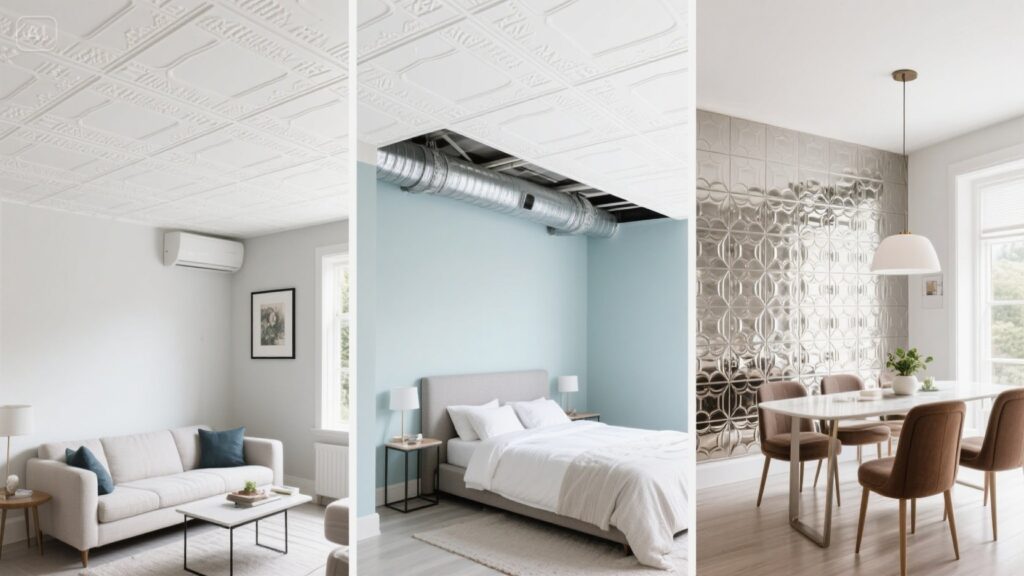
Polystyrene ceiling tiles aren’t just about saving money—they can also enhance a home’s aesthetics when used thoughtfully. In living rooms, decorative tiles with embossed textures or faux plaster finishes can transform an ordinary ceiling into a striking design feature.
Bedrooms benefit from paintable polystyrene tiles that allow complete customization; while soft, light shades create a calming retreat, bold textures or patterns can add depth and personality. In basements, these tiles are often incorporated into drop ceiling systems, making it easy to conceal ductwork, pipes, or wiring while still maintaining access when needed.
Dining areas, on the other hand, can be elevated with patterned or metallic-finished polystyrene tiles, which bring elegance and sophistication without the high price tag of traditional tin ceilings.
Modern Design Uses in Offices
1. Budget-Friendly Office Spaces
Startups or small businesses often choose polystyrene for cost-effective ceiling finishes.
2. Acoustic Improvement
When combined with additional insulation, polystyrene tiles help reduce noise in busy office environments.
3. Temporary Spaces
Pop-up shops, co-working hubs, or rented offices use these tiles for quick, removable upgrades.
Safety and Compliance Considerations
Before installing polystyrene ceiling tiles in commercial spaces, always check local building regulations. Many jurisdictions limit or restrict their use due to fire risks. If used, ensure tiles are fire-rated and properly sealed.
For homes, consider:
- Using them in low-risk areas (living rooms, bedrooms).
- Avoid them in kitchens, bathrooms, or garages.
- Applying fire-retardant paint or sprays for added safety.
Are Polystyrene Ceiling Tiles Right for You?
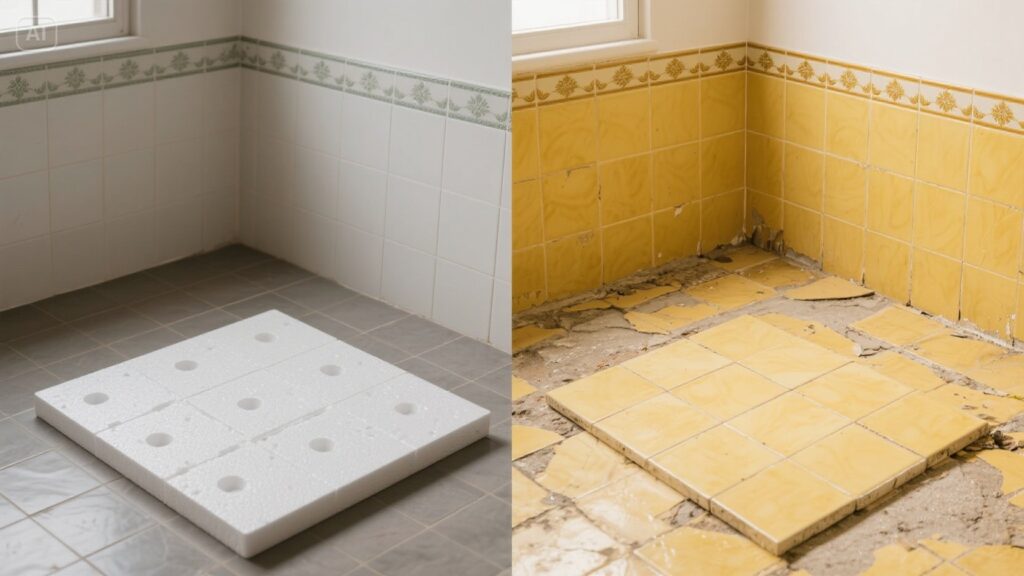
The decision depends on your priorities. If you’re looking for a low-cost, lightweight, and decorative solution for a ceiling makeover, polystyrene tiles are a practical option. However, if fire safety, long-term durability, or eco-friendliness are at the top of your list, alternatives such as plasterboard, PVC, or mineral fiber tiles may be better options.
Conclusion
Polystyrene ceiling tiles have been around for decades, evolving from simple, cheap coverings into more refined decorative products. They remain a popular choice for homeowners and businesses seeking affordability and versatility, but they’re not perfect.
Understanding the benefits, drawbacks, installation methods, and design applications will help you decide if they suit your project. In the right setting—with proper fire-retardant treatment and thoughtful design—polystyrene ceiling tiles can deliver style, function, and savings all in one package.
If you want to read an interesting article about it, explore our “Home Improvement” category.
FAQs
Polystyrene ceiling tiles are made from either expanded polystyrene (EPS) or extruded polystyrene (XPS), which are known for their lightweight and insulating properties.
Benefits include aesthetic appeal, ease of installation, sound insulation, thermal insulation, moisture resistance, and cost-effectiveness.
Yes, drawbacks include limited lifespan, susceptibility to damage, fire safety concerns, and potential limitations in design options for certain styles.
Costs typically range from $0.50 to $3.00 per square foot, with additional expenses for adhesives and installation, resulting in a total cost of approximately $2.00 to $5.00 per square foot.