Speech Bubble
Speech bubbles are one of the most iconic elements in comics, graphic novels, and digital media. While seemingly simple, these visual tools carry a wealth of information beyond just dialogue. They guide readers through conversations, highlight emotions, and even shape the pacing and tone of a story. Understanding the art and science of speech bubbles is essential for creators, artists, and storytellers who want to communicate effectively through visual narratives.
This article delves into the history, types, design principles, and functional role of speech bubbles. We will also explore how modern digital media has adapted them and provide practical guidance for using speech bubbles to enhance storytelling.
Types of Speech Bubbles and Their Functions
| Speech Bubble Type | Shape / Style | Purpose / Function | Emotional Cue | Best Use Case |
| Standard Dialogue | Oval | Normal conversation | Neutral | Everyday dialogue in comics or novels |
| Thought | Cloud-like, small connecting bubbles | Inner monologue | Reflective, uncertain | Character introspection |
| Whisper | Dashed or dotted line | Quiet speech | Secretive, soft | Confidential or subtle conversations |
| Shout / Exclamation | Jagged or spiked edges | Loud or intense speech | Anger, excitement, urgency | Screaming, dramatic moments |
| Robotic / Electronic | Rectangular or angular | Mechanical or digital voices | Cold, logical | Sci-fi characters, AI speech |
| Narrative / Exposition | Rounded rectangle | Author commentary or context | Neutral | Story guidance, world-building |
The History of Speech Bubbles
Speech bubbles have a rich and fascinating history that dates back to the early days of comic strips. Originally, dialogue was often written beneath illustrations or in captions above characters’ heads. However, as comics evolved in the 20th century, speech bubbles became the standard method for representing spoken words.
The first recognizable speech bubbles appeared in the late 19th century in newspaper comic strips. By the 1930s and 1940s, they had become a defining feature of comic books, thanks to artists like Winsor McCay and Milton Caniff. Over time, speech bubbles evolved not only to convey dialogue but also to represent thoughts, whispers, and exclamations, expanding the vocabulary of visual storytelling.
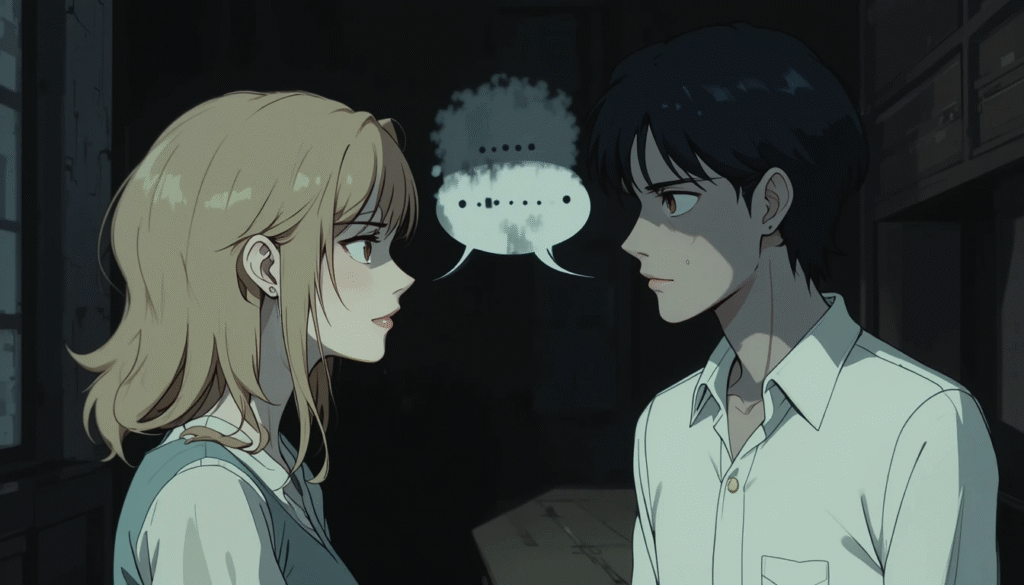
Types of Speech Bubbles
Speech bubbles come in various forms, each serving a distinct purpose. Understanding these types is essential for compelling storytelling.
- Standard Oval Bubbles
The most common type, these bubbles represent regular dialogue. They are easily recognizable and maintain readability. - Thought Bubbles
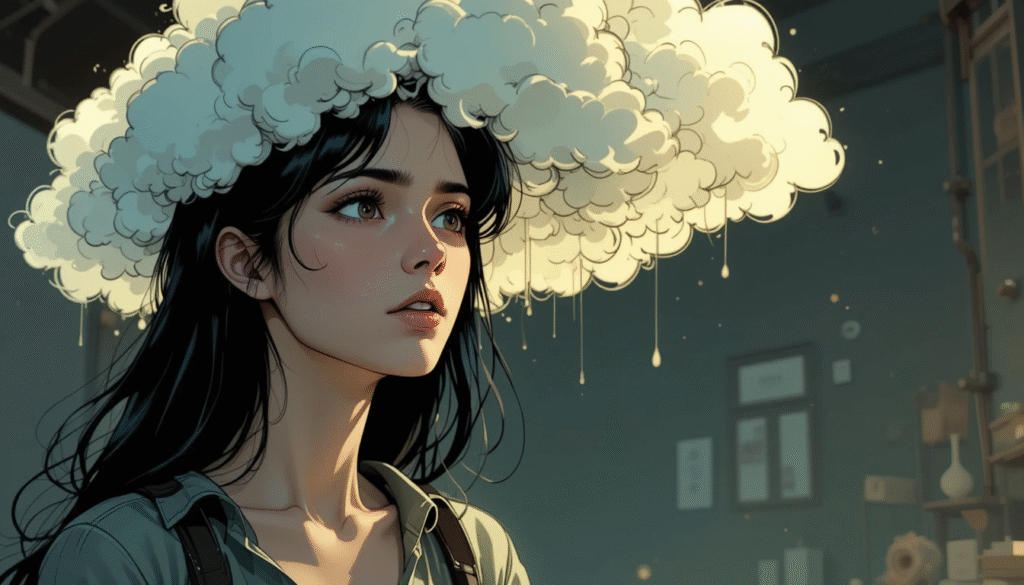
Thought bubbles, often drawn with cloud-like shapes or small connecting bubbles, represent a character’s inner monologue. - Whisper Bubbles
Usually depicted with dashed or dotted lines, whisper bubbles indicate quiet or secretive speech. - Shout or Exclamation Bubbles
Jagged or spiked edges convey a sense of yelling, urgency, or intense emotion. - Electronic or Robotic Speech
In science fiction or digital-themed comics, speech may be represented in rectangular or angular bubbles to indicate mechanical or computerized voices. - Narrative Bubbles
Sometimes used to provide context or commentary, narrative bubbles differ from dialogue in that they convey exposition rather than character speech.

How Speech Bubbles Convey Emotion
One of the key functions of speech bubbles is to reflect emotion. Artists manipulate shape, size, color, and typography to convey feelings such as anger, fear, excitement, or sadness. For instance:
- Spiky edges suggest intensity, surprise, or anger.
- Soft, cloud-like edges suggest gentleness, uncertainty, or a state of daydreaming.
- Distorted or wavy text can imply nervousness, inebriation, or other unusual states.
Typography also plays a crucial role. Bold, capitalized, or stylized fonts can express shouting, excitement, or emphasis. Conversely, smaller, italicized text can imply quiet speech or hesitation.
Speech Bubbles and Storytelling
1. Speech Bubbles and Story Pacing
Beyond conveying dialogue and emotion, speech bubbles play a crucial role in controlling the pacing of a story. Their size, placement, and sequence help guide the reader’s eye, creating a natural rhythm that emphasizes key moments in the narrative.
2. Using Larger Bubbles for Impact
Larger speech bubbles can slow down the reader, signaling that the dialogue contained within is essential or requires more attention. This technique draws focus to critical lines or emotionally charged moments.
3. Overlapping and Irregular Bubbles
Overlapping or irregularly placed bubbles can visually represent chaos, overlapping conversations, or crowded scenes. This adds energy and movement to the page, making the scene feel more dynamic and realistic.
4. Strategic Gaps for Dramatic Effect
Leaving gaps between bubbles allows for pauses and suspense, giving readers a moment to absorb the story before moving on. These pauses can heighten tension or emphasize a character’s reaction.
5. Integrating Bubbles with Illustrations
In graphic novels, speech bubbles are essential for blending text and visuals seamlessly. Proper integration ensures the story remains cohesive, visually appealing, and easy to follow, enhancing the overall reading experience.
Design Principles for Effective Speech Bubbles
Creating effective speech bubbles requires careful design. Key principles include:
- Clarity – Bubbles must be legible and distinguishable from the background.
- Consistency – Using similar shapes and fonts for similar types of speech maintains visual coherence.
- Hierarchy – Important dialogue should stand out through size, font, or color variations.
- Integration – Bubbles should complement the artwork without obscuring critical visual details.
- Directionality – Tail placement must clearly indicate the speaker to avoid confusion.
Digital Adaptations of Speech Bubbles
With the rise of digital comics, apps, and animated storytelling, speech bubbles have adapted to new media. Motion graphics, hover effects, and interactive text can now enhance traditional bubbles, adding a new dimension to the user experience. In webcomics, bubbles can expand, shrink, or animate to match the tone or rhythm of the dialogue. Social media and meme culture also use speech bubbles in image captions, GIFs, and videos to convey humor or commentary.
Everyday Speech Bubble Types and Uses
| Type of Speech Bubble | Shape/Style | Function | Emotional Cue | Best Used For |
| Standard Dialogue | Oval | Normal conversation | Neutral | Everyday dialogue |
| Thought | Cloud-like, small bubbles | Internal monologue | Reflective, uncertain | Character introspection |
| Whisper | Dashed/Dotted Lines | Quiet speech | Secretive, soft | Confidential or subtle speech |
| Shout/Exclamation | Spiked/Jagged | Loud, intense speech | Anger, urgency, excitement | Screaming, alerting, dramatic |
| Robotic/Electronic | Rectangular/Angular | Mechanical or digital speech | Cold, logical | Sci-fi, AI characters |
| Narrative/Exposition | Rounded rectangle | Context or commentary | Neutral | Author’s voice, story guidance |

The Psychology Behind Speech Bubble Shapes
The shape of a speech bubble can subtly influence how readers interpret dialogue before they even read the words inside. Rounded bubbles are generally perceived as friendly and conversational, creating a sense of calm and normal interaction. In contrast, sharp-edged or angular bubbles immediately signal tension, conflict, or heightened emotion.
Designers and comic artists often use these visual cues to reinforce a character’s mood and personality without adding extra text. This psychological connection between shape and emotion helps readers process information more quickly, making speech bubbles an essential visual language that enhances both clarity and storytelling effectiveness.
Common Mistakes to Avoid
Even experienced artists can make mistakes when using speech bubbles. Common pitfalls include:
- Overcrowding – Too much text in one bubble makes it hard to read.
- Poor Placement – Misplaced tails can confuse the speaker.
- Inconsistent Styles – Switching bubble shapes or fonts randomly disrupts the story.
- Ignoring Tone – Using neutral bubbles for emotional dialogue can diminish its impact.
Avoiding these mistakes ensures that your storytelling remains clear, emotional, and visually compelling.

The Role of Speech Bubbles in Global Storytelling
Speech bubbles are a universal storytelling tool. While styles vary between cultures—Japanese manga often uses vertical bubbles, Western comics prefer horizontal—they all serve to bridge text and imagery. Understanding cultural preferences in bubble design can make your work more globally appealing.
Tips for Creating Engaging Speech Bubbles
- Match the bubble’s style to the character’s personality.
- Experiment with font sizes and styles to enhance tone.
- Use bubble placement to guide the reader naturally through the panels.
- Keep dialogue concise; brevity enhances readability and impact.
- Test your bubbles on different devices if publishing digitally to ensure legibility.

Conclusion
Speech bubbles are far more than decorative text containers. They are powerful storytelling instruments that convey dialogue, emotion, and narrative flow. By understanding their history, types, emotional cues, and design principles, artists can craft compelling visual stories that engage readers and enhance the narrative experience. Whether in traditional comics, graphic novels, or digital media, mastering the art and science of speech bubbles is crucial for anyone seeking to convey stories through images.
From simple oval dialogue bubbles to spiky exclamations, thought clouds, and futuristic robotic speech, the possibilities are endless. Careful attention to design, placement, and integration with artwork ensures that speech bubbles communicate clearly, guide the reader’s eye, and enrich the story.
If you want to read an interesting article about it, explore our education category.
FAQs
Speech bubbles guide pacing, direct the reader’s eye, and emphasize key dialogue. Their placement and size can create rhythm, pauses, and even a sense of chaos or urgency in a scene.
Absolutely. Digital comics and animations often use animated, interactive, or dynamically styled speech bubbles to enhance storytelling and reader engagement.
Overcrowding bubbles with text, inconsistent shapes or fonts, poor tail placement, and ignoring the tone of dialogue are common errors that can disrupt readability and storytelling flow.
Yes. For example, Japanese manga often uses vertical bubbles and specific stylistic conventions, while Western comics typically use horizontal ovals. Understanding these preferences can enhance global readability.