Few desserts capture the joy of childhood and the creativity of modern culinary trends quite like ice cream sandwiches. Combining creamy frozen sweetness with soft, chewy, or crisp outer layers, this treat has evolved from a simple street snack into a gourmet dessert enjoyed worldwide. Whether purchased from a neighborhood freezer or crafted in a home kitchen with premium ingredients, ice cream sandwiches remain a timeless favorite for all ages.
This comprehensive guide explores their fascinating history, innovative flavor combinations, step-by-step homemade recipes, and imaginative serving ideas that elevate this classic dessert to new heights. From balancing textures and flavors to selecting the best ingredients, we will delve into techniques that ensure your creations stand out.
Additionally, you’ll find tips for adapting recipes to dietary preferences so that everyone can indulge in this delightful treat. Whether you’re hosting a summer party or simply satisfying a sweet craving, sandwiches offer endless possibilities for enjoyment. Join us as we embark on this delicious journey into the world of ice cream sandwiches!
| Category | Key Highlights | Details & Insights | Practical Takeaway |
| History & Origins | Early street vendor treat | Originated in the late 19th century as an affordable frozen snack sold between wafers | Shows how a simple concept evolved into a global dessert favorite |
| Commercial Evolution | Mass production & packaging | Introduction of pre-packaged rectangular versions with chocolate wafers and vanilla filling | Increased accessibility and nationwide popularity |
| Core Ingredients | Outer layer + frozen filling | Cookies, wafers, brownies, and waffles paired with various ice cream flavors. | Balance texture and flavor for the best results |
| Flavor Innovations | Modern gourmet trends | Salted caramel, matcha, peanut butter brownie, tropical fruit blends | Encourages experimentation and premium customization |
| Homemade Preparation | DIY assembly process | Bake or choose a base, soften the ice cream, assemble, and freeze | Allows control over ingredients and creativity |
| Health-Conscious Options | Alternative ingredients | Low-sugar ice cream, dairy-free options, and whole-grain cookies | Makes dessert adaptable to dietary preferences |
| Creative Serving Ideas | Presentation upgrades | Chocolate-dipped edges, mini portions, seasonal themes | Enhances visual appeal and party presentation |
| Global Variations | Cultural adaptations | Brioche gelato sandwiches, mochi-style frozen treats, and macaron-based versions | Demonstrates international influence and versatility |
| Storage & Freshness | Proper freezing methods | Wrap individually, store in airtight containers, and avoid refreezing | Maintains texture and prevents freezer burn |
| Future Trends | Innovation & sustainability | Plant-based options, global fusion flavors, and eco-friendly packaging | Keeps the dessert relevant in modern markets |
The History of Ice Cream Sandwiches

Early Beginnings
The origins of sandwiches date back to the late 19th and early 20th centuries. Street vendors in major cities sold slabs of vanilla ice cream pressed between thin wafers or biscuits for just a penny. These early versions were simple yet refreshing, making frozen desserts accessible to the masses.
As refrigeration technology improved, commercial production increased, allowing manufacturers to experiment with packaging, flavor consistency, and distribution. The treat quickly became a staple at fairs, beaches, and neighborhood stores.
Commercial Popularity
During the mid-20th century, pre-packaged versions gained prominence. Rectangular chocolate wafers filled with vanilla ice cream became iconic in grocery store freezer aisles.
Key milestones in their evolution include:
- Introduction of individually wrapped servings
- Expansion into supermarkets nationwide
- Improved freezing techniques for longer shelf life
- Flavor diversification beyond traditional vanilla
From humble beginnings to global recognition, sandwiches have maintained their nostalgic charm while embracing innovation.
The Anatomy of a Perfect Ice Cream Sandwich
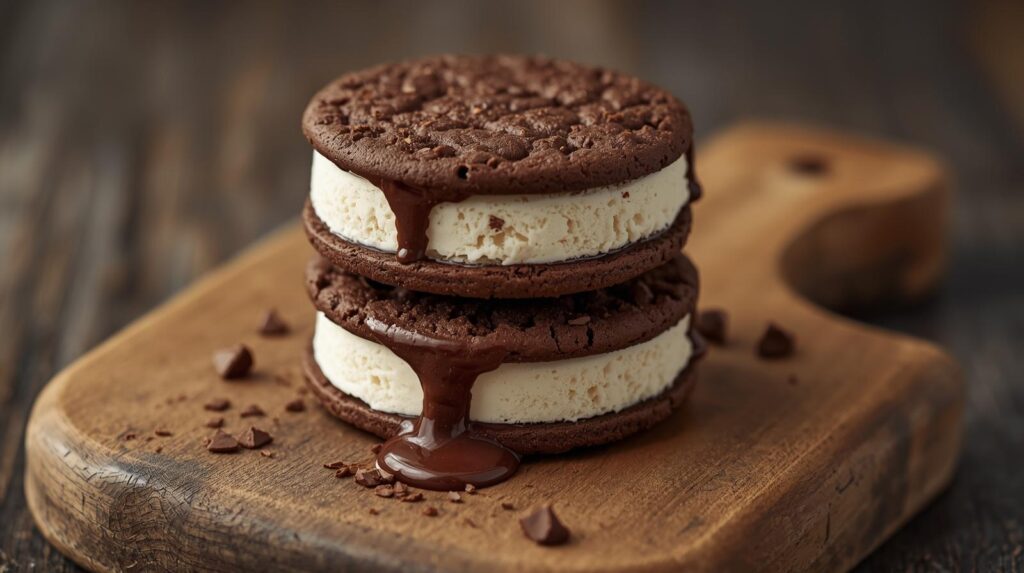
Creating the perfect dessert requires a delicate balance of texture, flavor, and temperature. The core components of an ideal ice cream sandwich include various outer layers such as cookies, brownies, wafers, donuts, or even waffles, each contributing a unique character. The ice cream filling can range from traditional flavors like vanilla, chocolate, and strawberry to more artisanal options that elevate the experience.
Achieving optimal texture contrast is essential, with a soft interior and a slightly firm outer shell to ensure a satisfying bite. Additionally, maintaining structural integrity is crucial; the choice of ingredients should prevent excessive melting or sliding, ensuring a well-constructed treat.
The magic truly lies in the harmony between the creamy filling and complementary exterior layers; if the outer layer is too hard, the sandwich becomes difficult to bite, while a shell that is too soft causes it to fall apart. Balancing these elements creates a delectable delight that can be enjoyed to the fullest.
One of the reasons ice cream sandwiches remain so satisfying is the unique balance between texture and temperature. The contrast of cold, creamy ice cream with soft, chewy, or crisp outer layers creates a sensory experience that appeals to both children and adults.
This combination enhances flavor perception, as the slight warmth of cookies or wafers can make the ice cream taste richer and more indulgent. Understanding this balance is key when experimenting with homemade recipes, as choosing the right base can dramatically improve the final dessert experience.
Flavor Innovations and Modern Twists

Today’s sandwiches go far beyond the classic vanilla-and-chocolate pairing. Creative chefs and home bakers experiment with bold ingredients and global influences.
Trending Flavor Combinations
- Salted caramel ice cream with oatmeal cookies
- Matcha green tea filling with white chocolate chip cookies
- Peanut butter ice cream between brownie layers
- Mango sorbet with coconut macaroons
- Cookies-and-cream ice cream with chocolate chip cookies
Gourmet Ingredients
Modern versions often incorporate:
- Artisanal small-batch ice cream
- Gluten-free or vegan cookies
- Organic flavor extracts
- Handcrafted toppings such as crushed nuts or sprinkles
These innovations transform a simple treat into a sophisticated dessert suitable for upscale menus and special occasions.
How to Make Homemade Ice Cream Sandwiches?

Making sandwiches at home allows complete control over ingredients and flavors.
Step 1: Choose or Bake the Base
Options include:
- Chocolate chip cookies
- Sugar cookies
- Brownies cut into squares
- Waffles
- Graham crackers
Bake evenly sized pieces to ensure uniform structure. Allow them to cool completely before assembly.
Step 2: Select the Ice Cream
Choose a slightly softened ice cream for easier spreading. For best results:
- Let the ice cream sit at room temperature for 5–10 minutes
- Avoid over-melting
- Use a sturdy spatula for even layering
Step 3: Assemble
- Place one cookie flat side up
- Add a generous scoop of ice cream
- Top with a second cookie
- Press gently to distribute evenly
Step 4: Freeze
Wrap each sandwich in plastic wrap and freeze for at least one hour to firm up before serving.
Storage Tips for Maximum Freshness
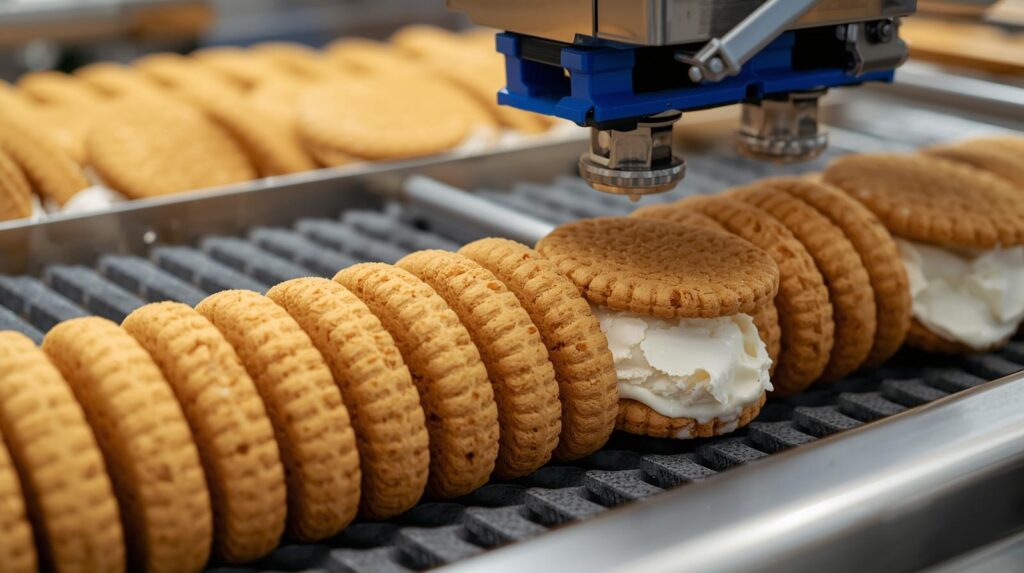
Proper storage is essential to maintaining the texture and flavor of ice cream sandwiches over time. To prevent freezer burn, it’s advisable to wrap each sandwich individually to create a protective barrier against harsh freezer conditions. Additionally, storing the sandwiches in airtight containers can further safeguard their quality. Maintaining a consistent freezer temperature is crucial, as fluctuations can negatively impact the dessert’s integrity.
For optimal freshness, consume the ice cream sandwiches within 2 weeks of preparation. It’s also important to avoid repeated thawing and refreezing, as this can alter the texture and cause unwanted ice crystals to form. Following these storage tips allows you to enjoy your ice cream sandwiches at their very best!
Nutritional Overview
While undeniably indulgent, the nutritional content varies depending on the ingredients. Homemade versions allow healthier modifications.
Healthier Alternatives
- Use low-fat or dairy-free ice cream
- Opt for whole-grain cookie bases
- Reduce added sugar
- Add fresh fruit for natural sweetness
Moderation and mindful ingredient selection make it possible to enjoy this treat responsibly.
Creative Serving Ideas
Party-Friendly Ideas
To make your ice cream sandwiches stand out at gatherings, consider a few creative approaches. One fun idea is to dip one half in melted chocolate and roll it in colorful sprinkles, adding both flavor and visual flair. Slicing the sandwiches into mini portions is another great option for dessert platters, allowing guests to graze and sample different varieties.
For easy handling, serve the sandwiches on skewers; this not only makes them more accessible but also adds a playful touch. Additionally, pairing ice cream sandwiches with milkshakes or espresso shots can create delightful flavor contrasts, enhancing the overall dessert experience.
Seasonal Variations
Embrace seasonal flavors to keep your ice cream sandwiches exciting year-round. For fall, consider incorporating a pumpkin-spice filling that captures the essence of the season. During the winter holidays, peppermint ice cream not only brings festive cheer but also a refreshing taste. As spring arrives, use fresh berry flavors to offer a bright, vibrant experience. In summer, tropical fruit combinations can provide a refreshing escape, perfect for indulging in warm-weather treats.
Creative serving techniques, along with seasonal variations, add visual appeal and significantly enhance the overall dessert experience, making ice cream sandwiches a delightful treat for any occasion.
Global Variations
Different cultures have embraced frozen desserts in unique ways.
Examples include:
- Gelato-filled brioche buns in Italy
- Mochi-style ice cream treats in Japan
- Macaron-based frozen desserts in France
These variations demonstrate the adaptability and universal appeal of ice cream sandwiches across culinary traditions.
Classic vs. Gourmet Ice Cream Sandwiches
| Feature | Classic Version | Gourmet Version |
| Outer Layer | Chocolate wafer | Artisan cookies, brownies, or specialty bases |
| Ice Cream Flavor | Vanilla | Exotic flavors like matcha, salted caramel |
| Packaging | Individually wrapped | Custom or handmade packaging |
| Ingredients | Standard dairy and sugar | Organic, vegan, or premium ingredients |
| Presentation | Simple rectangular form | Decorated, dipped, or plated elegantly |
| Price Range | Affordable | Premium pricing |
This comparison highlights how innovation has expanded the dessert’s appeal while preserving its traditional roots.
Why Ice Cream Sandwiches Remain Popular

Several factors contribute to their enduring appeal:
- Nostalgia and childhood memories
- Simple yet satisfying flavor combination
- Easy portability
- Customization options
- Universal appeal across age groups
Their adaptability keeps them relevant in both casual and gourmet settings.
Tips for Perfect Results Every Time
When preparing ice cream sandwiches, it’s important to use cookies that are slightly larger than the ice cream scoop to ensure a good fit. Before assembling, chill the baked cookie bases to help maintain their shape. Working quickly is essential to prevent the ice cream from melting during assembly.
Once the sandwiches are put together, freeze them before serving to achieve the perfect texture. Additionally, don’t hesitate to experiment with flavor pairings to discover new favorites. Attention to detail in these steps ensures that both taste and presentation are exceptional, making for a delightful treat.
The Future of Ice Cream Sandwiches
Innovation continues to shape the dessert industry. Emerging trends include:
- Plant-based frozen desserts
- Reduced-sugar options
- Sustainable packaging
- Global flavor fusion
- Interactive dessert experiences
As culinary creativity evolves, ice cream sandwiches will likely continue to reinvent themselves while preserving their comforting essence.
Conclusion
Ice cream sandwiches have traveled a remarkable journey from simple street fare to gourmet dessert sensation. Their evolution reflects advancements in food technology, global culinary influence, and consumer creativity. With endless flavor possibilities, customizable ingredients, and versatile serving styles, they remain a beloved frozen treat worldwide.
Whether enjoyed in their classic form or crafted with artisanal flair, ice cream sandwiches offer the perfect balance of creamy indulgence and satisfying texture, by understanding their history, mastering homemade preparation techniques, and experimenting with innovative flavors, anyone can transform this timeless dessert into a memorable culinary experience.
Want to know about Ten Worst Foods for Prostate Health: Ingredients, Risks, and Expert Insights for UK Diets Check out our Featured category.
FAQs
They originated in the late 19th century, when street vendors sold slabs of ice cream pressed between thin wafers as an affordable and portable treat.
Classic versions typically feature vanilla ice cream with chocolate wafers. Modern variations include salted caramel, cookies and cream, mint chocolate chip, peanut butter, and fruit-based flavors.
Yes. Homemade versions are simple to prepare: bake or buy cookies, add softened ice cream, assemble, and freeze until firm.
Wrap each sandwich individually in plastic wrap or parchment paper and store in an airtight container in the freezer to prevent freezer burn and maintain freshness.