In the world of Formula 1, where races are won and lost by fractions of a second, every component of the car plays a crucial role in performance—and none is more important than the steering wheel. Far beyond a simple tool for turning the car, the F1 steering wheel is a highly advanced control system that acts as the driver’s direct interface with the machine.
It combines steering, gear shifting, communication, and real-time system management into a single compact device, allowing drivers to make split-second decisions at speeds exceeding 300 km/h. Packed with digital displays, programmable buttons, rotary switches, and paddle shifters, it reflects the extreme level of engineering precision and technological innovation in modern motorsport.
Over the years, it has evolved from a basic mechanical wheel into a sophisticated electronic command center tailored to each driver’s needs. Understanding the F1 steering wheel provides deep insight into how Formula 1 teams balance speed, safety, strategy, and control in one of the most demanding sports in the world.
| Section | Key Idea |
| Introduction | The F1 steering wheel is a high-tech control hub for driving, strategy, and communication. |
| What It Is | A multifunctional electronic device that replaces traditional simple steering wheels. |
| Design | Rectangular/butterfly shape for better visibility and control access. |
| Display | Shows real-time data like speed, RPM, fuel, lap times, and temperatures. |
| Buttons | 20+ programmable buttons for engine modes, radio, brakes, and more. |
| Rotary Switches | Used for fine-tuning systems like ERS, differential, and torque. |
| Paddle Shifters | Enable instant gear changes without removing hands from the wheel. |
| LED Lights | Indicate optimal gear shift timing based on engine RPM. |
| Steering Function | Highly sensitive; small movements control high-speed direction changes. |
| Gear Shifting | A semi-automatic system allows millisecond gear changes. |
| System Control | Adjusts brake bias, engine modes, and energy deployment. |
| Communication | The button connects the driver to the race engineers instantly. |
| Pit Limiter | Controls speed in the pit lane to avoid penalties. |
| Early Evolution | Simple mechanical wheels made of wood or metal. |
| Electronics Era | Buttons and switches were introduced in the 1980s–90s. |
| Modern Era | Advanced digital systems with screens and telemetry integration. |
| Customization | Fully tailored layouts based on driver preference. |
| Performance Role | Helps extract maximum speed and efficiency. |
| Safety Role | Enables quick response to mechanical issues. |
| Race Strategy | Supports fuel saving, tire management, and real-time tactics. |
| Challenges | Requires memorizing controls and extreme focus at high speeds. |
| Future | Expected integration of AI and smarter interfaces. |
What Is an F1 Steering Wheel?
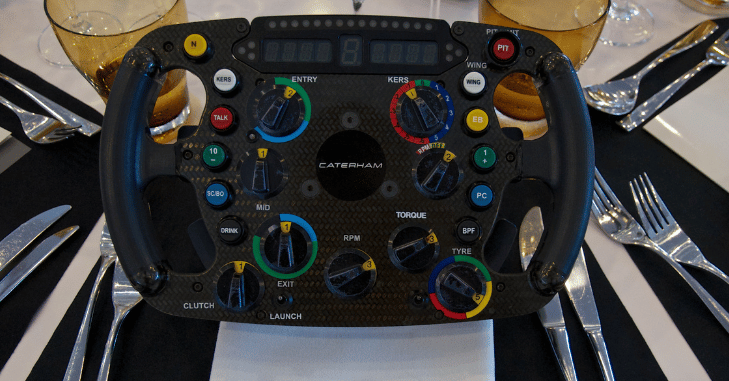
An F1 steering wheel is a highly advanced electronic device that combines the basic function of steering with a sophisticated control system, effectively acting as the central command unit of the car. It allows drivers to steer, shift gears, adjust a wide range of performance settings, and communicate with their team in real time, all without ever removing their hands from the wheel.
This constant access to controls is crucial in Formula 1, where decisions must be made instantly at extremely high speeds. Unlike regular road car steering wheels, an F1 steering wheel has a distinctive rectangular or butterfly-shaped design instead of a circular one.
This unique shape is not just for aesthetics; it is carefully engineered to improve aerodynamics, maximize cockpit visibility, and ensure that every button, switch, and paddle is within easy reach. The wheel is also ergonomically molded to fit the driver’s hands perfectly, reducing fatigue during long races.
Key Components of an F1 Steering Wheel
The F1 steering wheel is a highly advanced control system that combines multiple essential components into one compact design. At its center is a digital display screen that provides real-time data such as speed, gear position, engine RPM, tire temperatures, fuel levels, and lap times, allowing drivers to make split-second decisions during the race.
Surrounding this are more than 20 customizable buttons, each assigned to specific functions like engine modes, brake balance, fuel mixture, radio communication, and the pit lane speed limiter, with each team tailoring the layout to suit their strategy and driver needs.
Behind the wheel are paddle shifters that allow rapid gear changes without removing hands, with the right paddle used for upshifting and the left for downshifting, along with additional paddles for clutch control during race starts.
Functions of an F1 Steering Wheel
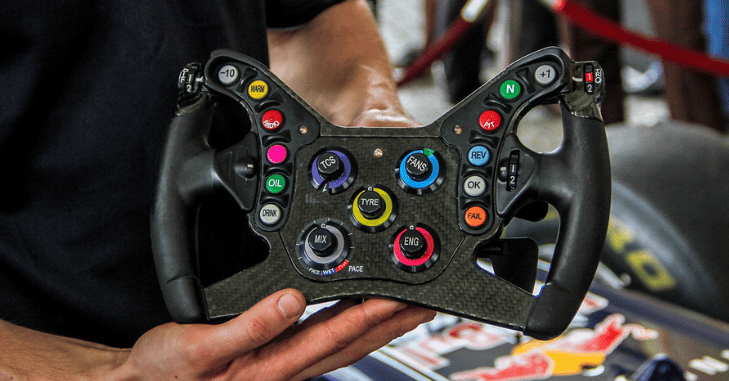
1. Steering the Car
- The primary function of the F1 steering wheel is to steer the car.
- Steering in F1 is highly sensitive and precise.
- F1 cars require very small steering angles.
- Even slight movements can significantly change the car’s direction.
2. Gear Shifting
- Drivers shift gears in milliseconds using paddle shifters.
- Paddle shifters allow gear changes without removing hands from the wheel.
- Modern F1 cars use semi-automatic gearboxes.
- Gear changes are extremely fast and efficient.
3. Managing Car Systems
Drivers can adjust multiple systems mid-race, including:
- Brake bias (front vs. rear braking force)
- Engine performance modes
- Energy deployment
- This level of control allows drivers to adapt to changing race conditions instantly.
4. Communication
- A dedicated button allows drivers to communicate with race engineers.
- Drivers use it to discuss race strategy.
- It helps in reporting technical issues during the race.
- Engineers provide real-time instructions through this system.
5. Pit Lane Control
- The steering wheel has a pit limiter button.
- It controls the car’s speed in the pit lane.
- It ensures the car does not exceed the speed limit.
- This helps avoid penalties during pit stops.
Evolution of the F1 Steering Wheel
Early Days
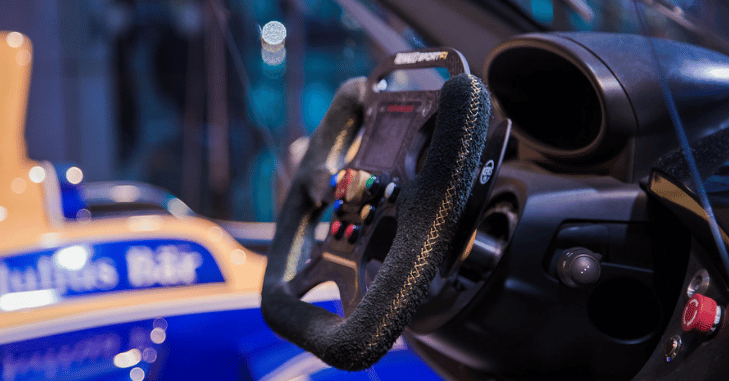
In the early years of Formula 1, steering wheels were simple in design, typically circular and made from materials like wood or metal. They lacked any electronic features, meaning drivers depended entirely on mechanical control and physical skill to operate the car.
Introduction of Electronics
During the 1980s and 1990s, Formula 1 began embracing technology, and steering wheels evolved significantly. Teams started adding electronic components such as buttons and switches, allowing drivers to control engine settings and communicate with their teams more efficiently.
Modern Era
Today, F1 steering wheels are highly advanced technological systems that play a crucial role in racing performance. With costs ranging between £40,000 and £100,000, these wheels feature high-resolution LCD displays, advanced telemetry integration, custom software interfaces, and ergonomic designs.
Customization for Drivers
Each Formula 1 driver uses a fully customized steering wheel tailored to their specific needs and preferences. From grip shape and size to button placement, labeling, color coding, and software settings, every detail is personalized.
Importance of the F1 Steering Wheel
| Aspect | Explanation |
| Performance Optimization | The steering wheel allows drivers to extract maximum performance from the car by adjusting settings in real time. |
| Safety | Quick access to controls ensures that drivers can respond immediately to issues such as brake failure or engine problems. |
| Strategy Execution | Race strategies often depend on precise adjustments, such as fuel saving or tire management, which the steering wheel enables without slowing down. |
Challenges of Using an F1 Steering Wheel
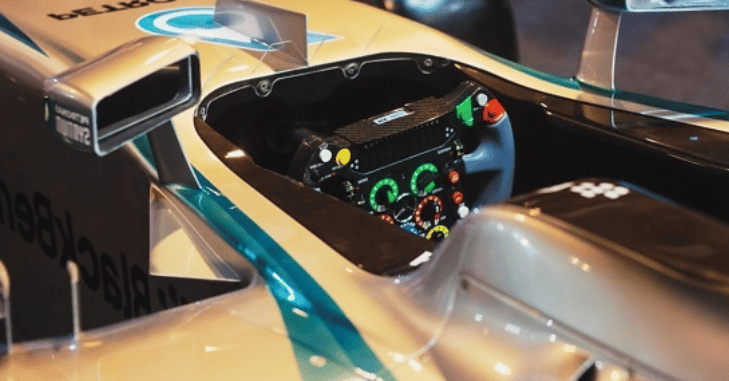
Operating an F1 steering wheel is extremely demanding, requiring drivers to memorize dozens of controls and use them instinctively during a race. At speeds exceeding 300 km/h, they must make precise adjustments in real time while navigating complex tracks.
This task becomes even more challenging as drivers must maintain sharp focus under intense physical strain and mental pressure throughout the race. In such high-stakes conditions, even minor errors such as pressing the wrong button in real-time adjustments can significantly affect performance and potentially cost valuable positions.
How do teams design steering wheels?
F1 teams invest significant time and resources into designing their steering wheels. The process involves:
- Driver Feedback – Understanding preferences and ergonomics
- Engineering Design – Creating layouts for optimal efficiency
- Testing – Simulations and track testing
- Refinement – Continuous updates throughout the season
- Each team’s wheel is unique, reflecting their technology and strategy.
Interesting Facts About F1 Steering Wheels
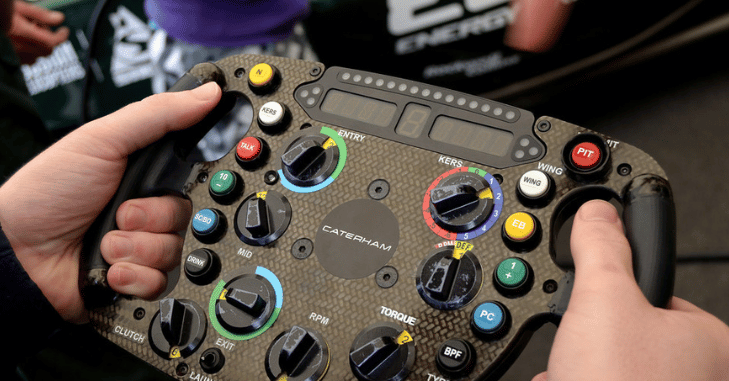
During a Formula 1 race, drivers keep their hands firmly on the steering wheel almost all the time, as it serves as the central control hub for the entire car. Unlike traditional vehicles, many of the wheel’s functions operate through electronic connections rather than direct mechanical links, allowing for faster and more precise adjustments.
For safety reasons, the steering wheel is fully detachable, enabling drivers to exit the car quickly in case of an emergency. Modern F1 steering wheels are incredibly complex, often featuring more than 25 different buttons, switches, and controls that manage various aspects of performance.
Future of F1 Steering Wheels
As technology continues to evolve, F1 steering wheels will likely become even more advanced. Possible developments include:
- Enhanced AI-assisted controls
- Improved data visualization
- More intuitive interfaces
- Greater integration with hybrid and electric systems
- However, regulations will continue to balance innovation with fairness and safety.
Conclusion
The Formula 1 steering wheel is far more than a tool for steering—it is the brain of the car’s control system. Packed with cutting-edge technology, it enables drivers to manage every aspect of performance while racing at incredible speeds.
From its humble beginnings as a simple circular wheel to today’s highly advanced control hub, the F1 steering wheel represents the perfect blend of engineering, innovation, and human skill. Understanding its complexity gives fans a deeper appreciation of the challenges drivers face and the precision required to compete at the highest level of motorsport.
Want to know about Everything You Need to Know About Goodwood News Today: Latest Car Launches, Racing Highlights, Automotive Innovations, and Exclusive Event Coverage Check out our Gaming category.
FAQs
An F1 steering wheel is used for much more than steering. It allows drivers to control gears, adjust car settings, communicate with engineers, and manage race strategy—all while driving at extreme speeds.
It evolved from a simple mechanical circular wheel in early Formula 1 to a highly advanced electronic control system with digital displays, buttons, and software-based controls in modern racing.
It has a rectangular or butterfly shape to improve cockpit visibility and give drivers faster access to all controls without removing their hands from the wheel.
Modern F1 steering wheels can have 20 to 30+ controls, including buttons, switches, rotary dials, and paddle shifters for different car systems and race functions.
It acts as the car’s control center, helping drivers optimize performance, ensure safety, and execute race strategies in real time at speeds above 300 km/h.
Yes, every driver has a fully customized steering wheel designed to match their hand shape, comfort, and preferred control layout for maximum efficiency and speed.