Best Places in Italy
Italy is more than just a country—it’s a living museum, a feast of flavors, and a symphony of landscapes that capture the imagination of millions each year. From Rome’s ancient ruins that whisper tales of emperors, to Venice’s canals where gondolas glide through timeless waterways, to Florence’s Renaissance masterpieces that define art history, Italy’s cities and countryside are unmatched in their cultural wealth.
Add to this Tuscany’s rolling vineyards and the Amalfi Coast’s dramatic cliffs, and you have a destination that appeals to every traveler—history enthusiasts, art lovers, foodies, and those simply searching for beauty. This complete guide highlights the best places in Italy while offering context, travel tips, and inspiration for crafting an unforgettable itinerary.
| Region / City | Top Attractions | Highlights | Best For | Unique Feature |
| Rome | Colosseum, Roman Forum, Pantheon, Vatican City | Ancient ruins, classical architecture, religious landmarks | History buffs, culture seekers | Explore 2,000+ years of history in one city |
| Venice | St. Mark’s Basilica, Doge’s Palace, Rialto Bridge, Grand Canal | Canals, Gothic and Byzantine architecture, and gondola rides | Couples, photographers, romantics | Floating city with a unique aquatic transport system |
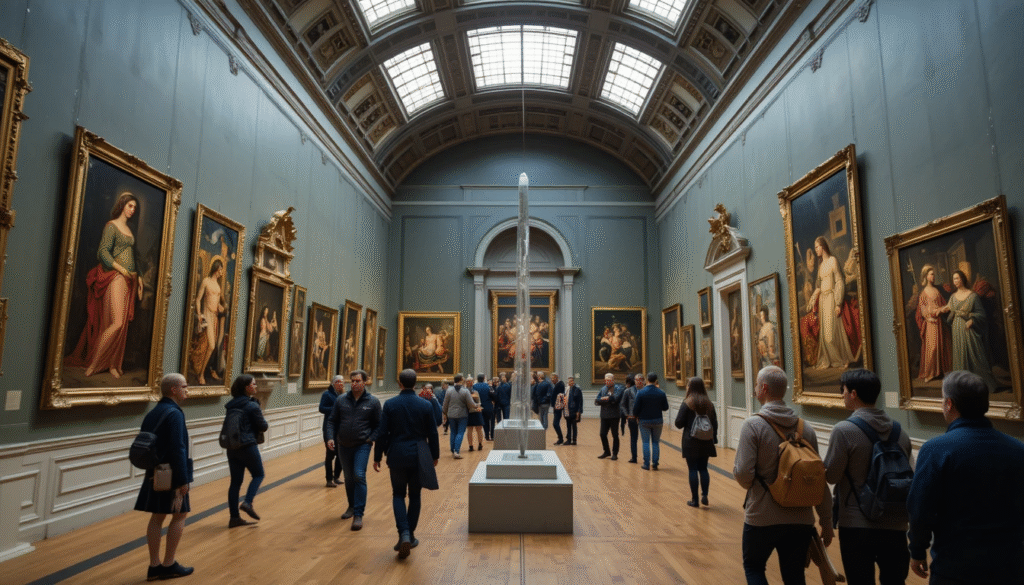
| Florence | Uffizi Gallery, Accademia Gallery, Florence Cathedral, Ponte Vecchio | Renaissance art, historic palaces, and architectural marvels | Art lovers, history enthusiasts | Home of masterpieces by Michelangelo, Botticelli, and Da Vinci |
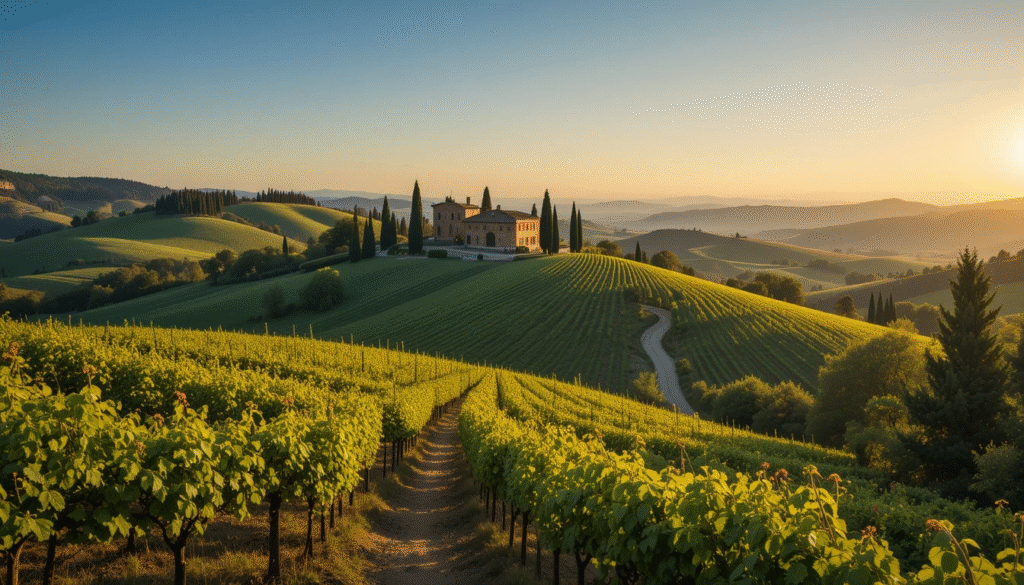
| Tuscany | Chianti vineyards, Siena, San Gimignano, Val d’Orcia | Rolling hills, wine tours, medieval towns | Wine connoisseurs, scenic travelers | Wine tasting and countryside landscapes with cypress-lined roads |
| Amalfi Coast | Positano, Amalfi, Ravello, Capri | Dramatic cliffs, colorful villages, Mediterranean views | Adventure seekers, luxury travelers | Cliffside towns, ferry rides to Capri, Path of the Gods hiking trails |
Rome: Walking Through the Eternal City
Ancient Landmarks and Ruins
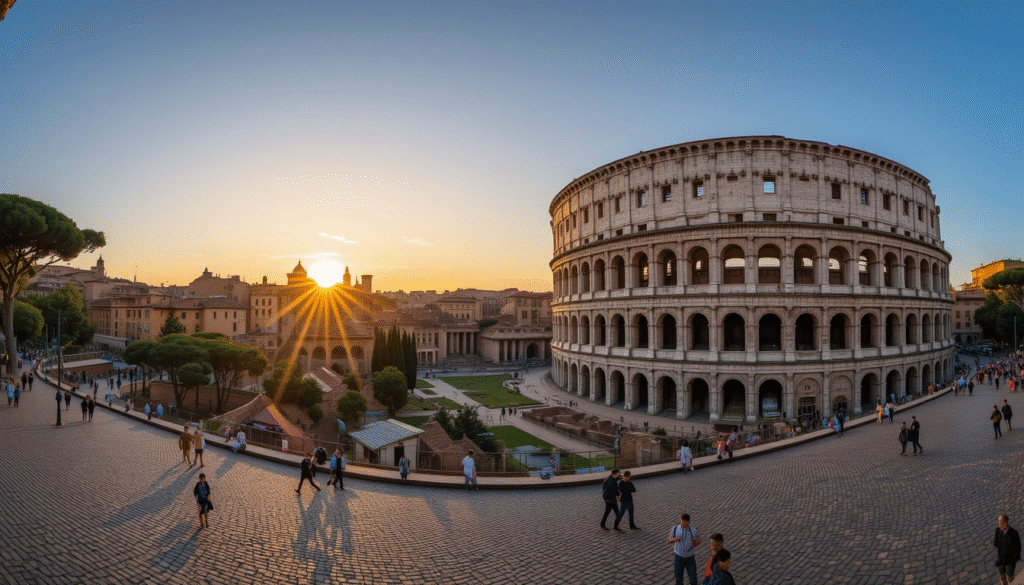
Rome, often referred to as Caput Mundi (the capital of the world), is an open-air museum where every street corner has a story.
- The Colosseum remains one of the most iconic structures in the world. Standing inside the arena, one can imagine the roar of gladiators and spectators.
- The Roman Forum, once the heart of political and commercial life, now lies in evocative ruins that transport visitors back two thousand years.
- The Pantheon, with its perfect dome and oculus, demonstrates the engineering brilliance of the Romans.
Vatican City and Religious Heritage
Within Rome lies Vatican City, the world’s smallest sovereign state, but home to monumental treasures. St. Peter’s Basilica amazes with Michelangelo’s Pietà and Bernini’s Baroque designs. The Sistine Chapel, with its ceiling frescoes, is one of humanity’s most outstanding artistic achievements.
Modern Roman Life
Despite its history, Rome is not frozen in time—neighborhoods such as Trastevere and Campo de’ Fiori buzz with cafes, trattorias, and markets. Evening strolls, known as passeggiata, reveal Rome’s true soul—vibrant, communal, and timeless.
Venice: The Floating City of Dreams
Canals and Bridges
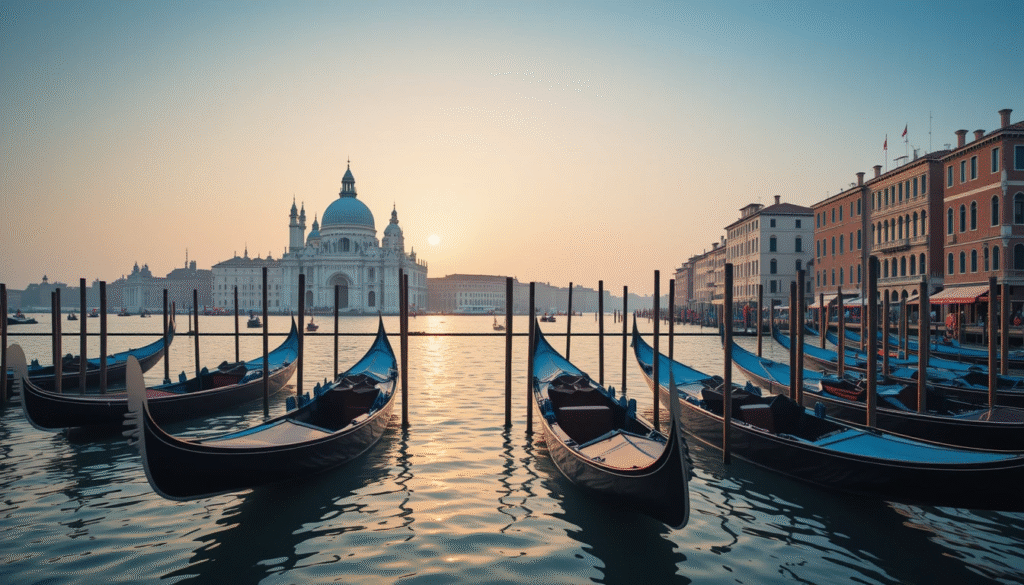
Venice is unlike anywhere else in the world—a city of islands woven together by canals and bridges. The Grand Canal serves as the main thoroughfare, where water taxis and gondolas navigate past centuries-old palaces.
Iconic Landmarks
St. Mark’s Basilica, with its dazzling Byzantine mosaics, glitters in gold and reflects Venice’s long history of global connections and cultural exchange. Nearby, the Doge’s Palace stands as a testament to the grandeur and political influence of the Venetian Republic, its Gothic architecture embodying centuries of power and prestige.
Hidden Corners and Local Charm
Move away from tourist-heavy areas, and Venice reveals quiet squares, artisan workshops, and neighborhood cafes where Venetians sip spritz. The islands of Murano (famous for glass) and Burano (with rainbow-colored houses) provide colorful escapes.
Florence: The Birthplace of the Renaissance
- · Florence is often referred to as a living art gallery, filled with masterpieces at every turn.
- · Uffizi Gallery – Home to Botticelli’s The Birth of Venus and works by Leonardo da Vinci.
- · Accademia Gallery – World-renowned for Michelangelo’s David, a timeless symbol of beauty and strength.
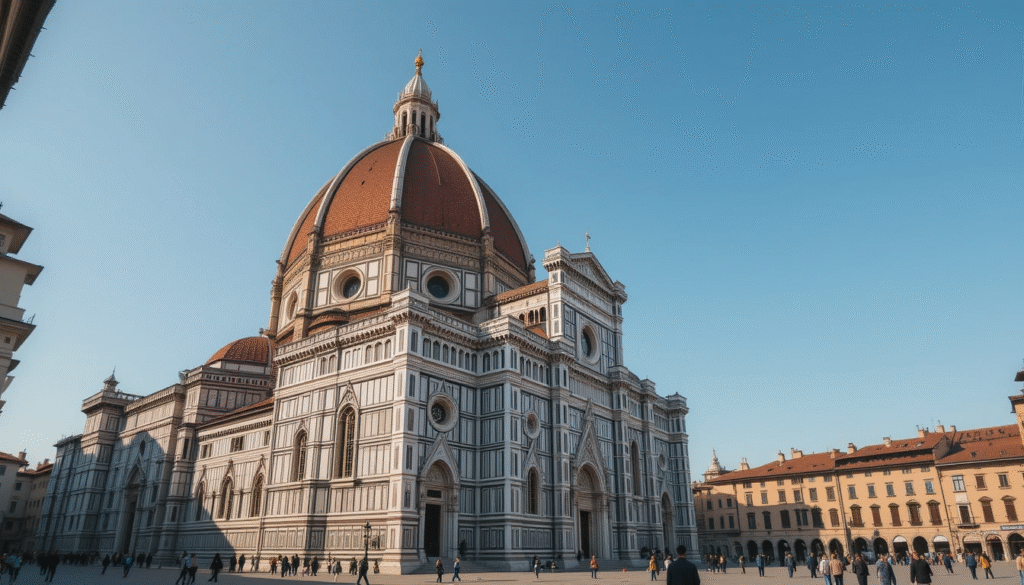
- · Florence Cathedral (Duomo) – Brunelleschi’s dome dominates the skyline; climbing it rewards visitors with sweeping views of terracotta rooftops.
- · Giotto’s Campanile – A Gothic masterpiece offering another perspective of the city.
- · The Baptistery of St. John – Famous for its Romanesque design and intricate bronze doors.
- · Stroll through lively markets like Mercato Centrale, filled with Tuscan delicacies.
- · Discover artisanal leather workshops in the San Lorenzo district.
- · Enjoy riverside walks along the Arno River, soaking in the city’s charm.
- · End the day at Piazzale Michelangelo, where sunset paints Florence in golden light.
Tuscany: Vineyards, Villages, and Rolling Hills
Wine Country and Countryside
Tuscany embodies pastoral beauty—vineyards stretching across hills, cypress-lined roads, and rustic farmhouses. Wine lovers flock to Chianti for tastings of Sangiovese reds, while Montalcino is famous for Brunello wines.
Medieval Towns
- Siena, with its fan-shaped piazza, hosts the thrilling Palio horse race.
- San Gimignano, known as the “medieval Manhattan,” boasts tall towers that once symbolized wealth and power.
- Montepulciano combines Renaissance architecture with award-winning wines.
Art in the Countryside
Even small villages hold Renaissance treasures, such as frescoes by Piero della Francesca in Arezzo. Tuscany demonstrates that art in Italy is not confined to museums—it lives in town squares, chapels, and landscapes.
The Amalfi Coast: A Coastal Paradise
Few destinations capture natural beauty quite like the Amalfi Coast, where towering cliffs dive into the Mediterranean and pastel-colored villages cling to the hillsides. The drive along the coastal road is both exhilarating and unforgettable, with each turn revealing a new breathtaking view.
Among its most enchanting towns, Positano dazzles with cascading houses and chic boutiques, Amalfi blends its legacy as a powerful maritime republic with stunning seaside scenery, and Ravello offers lofty gardens and open-air concerts that overlook the sparkling sea.
Beyond the shoreline, ferries connect travelers to Capri, renowned for its Blue Grotto and glamorous atmosphere. At the same time, inland trails such as the Path of the Gods lead hikers through dramatic landscapes with panoramic vistas.
Comparison Table: Highlights of Italy’s Top Destinations
| Destination | Highlights | Unique Features | Best For |
| Rome | Colosseum, Roman Forum, Vatican City | Ancient ruins + spiritual hub | History lovers, culture seekers |
| Venice | St. Mark’s Basilica, Grand Canal, Murano & Burano | City built on water | Romantic trips, photographers |
| Florence | Uffizi Gallery, Duomo, Michelangelo’s David | Renaissance birthplace | Art enthusiasts, students |
| Tuscany | Chianti, Siena, San Gimignano, Montalcino | Vineyards + medieval towns | Foodies, wine lovers, countryside escapes |
| Amalfi Coast | Positano, Amalfi, Ravello, Capri | Coastal cliffs + Mediterranean charm | Honeymooners, luxury travelers |
Practical Tips for Travelers
Best Time to Visit
- Spring (April–June): Mild weather, blooming landscapes, fewer crowds.
- Autumn (September–October): Harvest season in Tuscany, comfortable temperatures, cultural festivals.
- Summer (July–August): Bustling but hot, ideal for coastal areas like Amalfi.
- Winter (November–February): Fewer tourists, cheaper stays, perfect for museum-goers.
Getting Around
Italy’s rail network connects most major cities. High-speed trains link Rome, Florence, and Venice within hours. Renting a car is best for Tuscany or the Amalfi Coast, though narrow roads require patience.
Culinary Experiences
Every region boasts a distinct cuisine:
- Rome: Carbonara, cacio e pepe.
- Venice: Cicchetti (small plates), seafood risotto.
- Florence/Tuscany: Florentine steak, ribollita soup, Chianti wine.
- Amalfi: Limoncello, fresh seafood, sfogliatella pastries.
Hidden Gems Beyond the Famous Five
While Rome, Venice, Florence, Tuscany, and Amalfi are highlights, Italy offers much more. Consider:
- Cinque Terre: Colorful fishing villages along the Ligurian coast.
- Puglia: Whitewashed towns and trulli houses in southern Italy.
- Sicily: Greek temples, baroque towns, and Mount Etna.
- Milan: Italy’s fashion and design capital, with The Last Supper.
These additions can expand a classic itinerary into a more immersive experience.
Off-the-Beaten-Path Experiences in Italy
Beyond Italy’s most famous destinations, the country is also filled with lesser-known regions that offer equally rich cultural and natural experiences without the heavy tourist crowds. Northern lakes such as Lake Como and Lake Garda provide stunning alpine scenery combined with elegant villas, charming lakeside towns, and relaxing boat tours, making them perfect for peaceful getaways.
In the south, regions like Puglia showcase a more traditional side of Italy, with whitewashed villages, olive groves, and historic trulli houses that reflect centuries of rural heritage. Meanwhile, Sicily offers a completely different atmosphere, blending Mediterranean beaches with ancient Greek ruins, volcanic landscapes around Mount Etna, and vibrant local markets.
Conclusion
Italy is not a checklist but a narrative waiting to be experienced. Rome grounds you in history, Venice carries you through canals, Florence surrounds you with art, Tuscany slows life down with wine and countryside, and the Amalfi Coast leaves you awestruck with beauty.
Together, these destinations reflect the essence of Italy—layers of past and present, natural splendor, and cultural richness that few places on earth can match. Whether it’s your first visit or your tenth, Italy invites you to discover, rediscover, and fall in love again and again.
Want to know about Things to Do in the Isle of Wight: Beaches, Castles, Coastal Walks, Hidden Gems, Festivals, and Family-Friendly Adventures Check out our Travel category.
FAQs
Rome is renowned for its ancient ruins, including the Colosseum, Roman Forum, and Pantheon. Vatican City, with St. Peter’s Basilica and the Sistine Chapel, is also essential for visitors interested in art and history.
Venice is best explored on foot or via gondolas and water buses. Key sights include St. Mark’s Basilica, Doge’s Palace, Rialto Bridge, and a stroll along the Grand Canal.
Florence is the birthplace of the Renaissance. Visitors can admire masterpieces in the Uffizi Gallery, Michelangelo’s David at the Accademia Gallery, and the architectural beauty of the Florence Cathedral (Duomo).
Tuscany offers rolling hills, vineyards, and medieval towns like Siena and San Gimignano. It’s ideal for wine tours, countryside exploration, and capturing scenic landscapes lined with cypress trees.